

What is egg freezing?
Egg freezing, or oocyte cryopreservation, is a fertility preservation treatment in which mature, unfertilized eggs are collected from the ovaries, frozen, usually through vitrification, and stored for possible future use in IVF.
Egg freezing process, step by step
Fertility consultation and assessment
Your treatment begins with a consultation to discuss your reproductive plans, menstrual and medical history, previous fertility treatment and any factors that may affect ovarian function. Ovarian reserve testing may include AMH, antral follicle count and ultrasound, along with other investigations when clinically appropriate.
Ovarian stimulation and monitoring
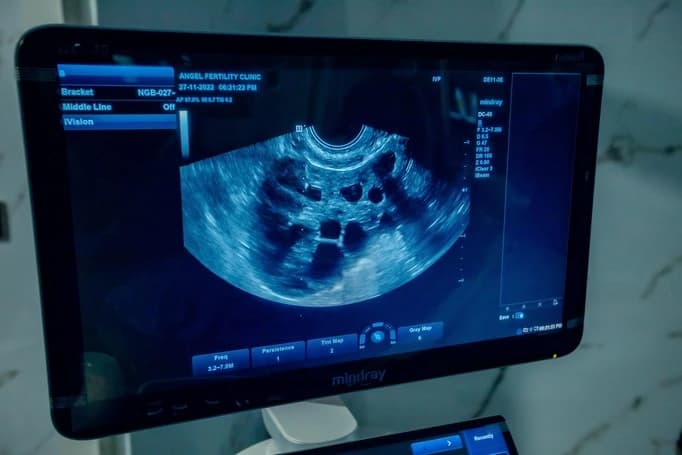
Fertility medications are used to stimulate the ovaries so that several follicles may develop during the same cycle. Your response is monitored with ultrasound scans and, when needed, hormone blood tests. Medication doses and treatment timing may be adjusted according to how your ovaries respond.
Trigger injection and final maturation
When the follicles reach an appropriate stage, a trigger injection is given to support final egg maturation. The timing is important because egg retrieval is scheduled in relation to this injection. Your clinical team will provide clear instructions on when to take it.
Egg retrieval
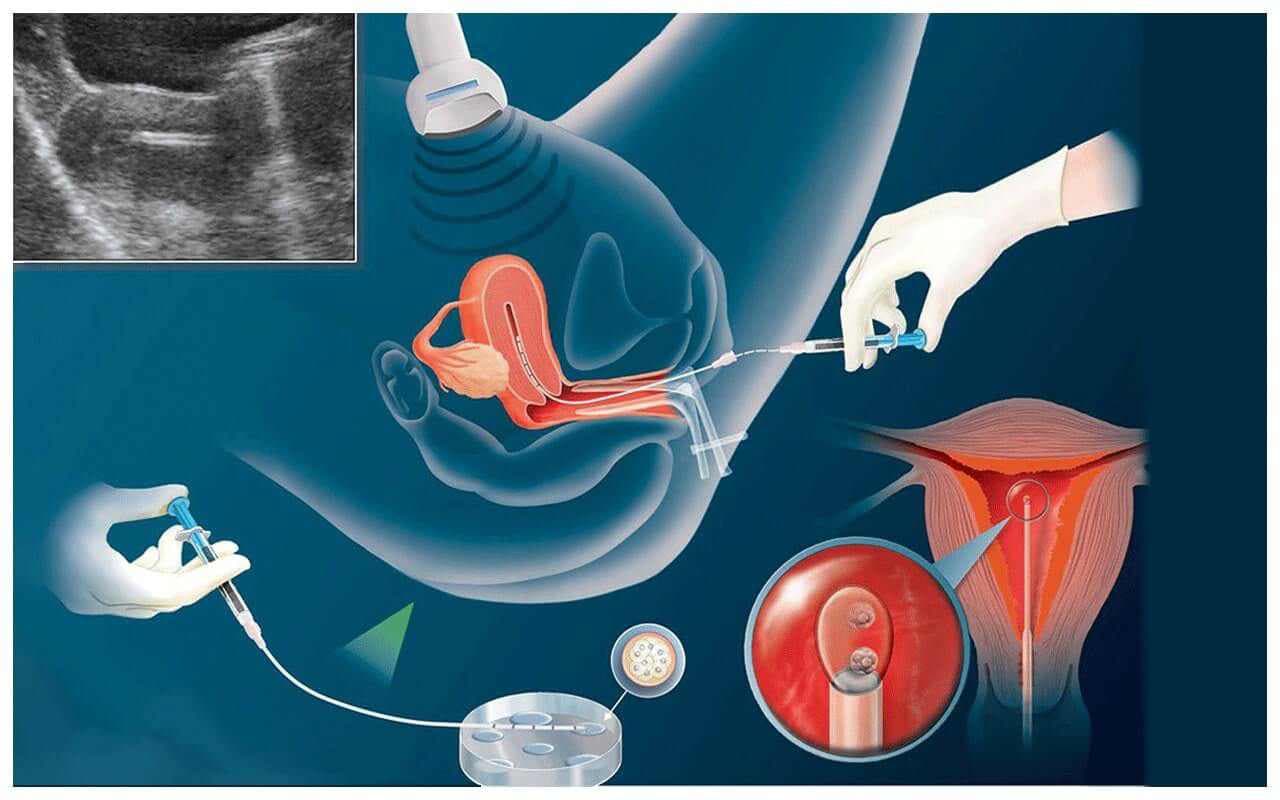
Egg retrieval is usually performed under sedation or anesthesia using ultrasound guidance. A fine needle is passed through the vaginal wall into the ovarian follicles to collect the fluid containing the eggs. You are monitored after the procedure and can usually return home the same day.
Egg assessment, vitrification and storage
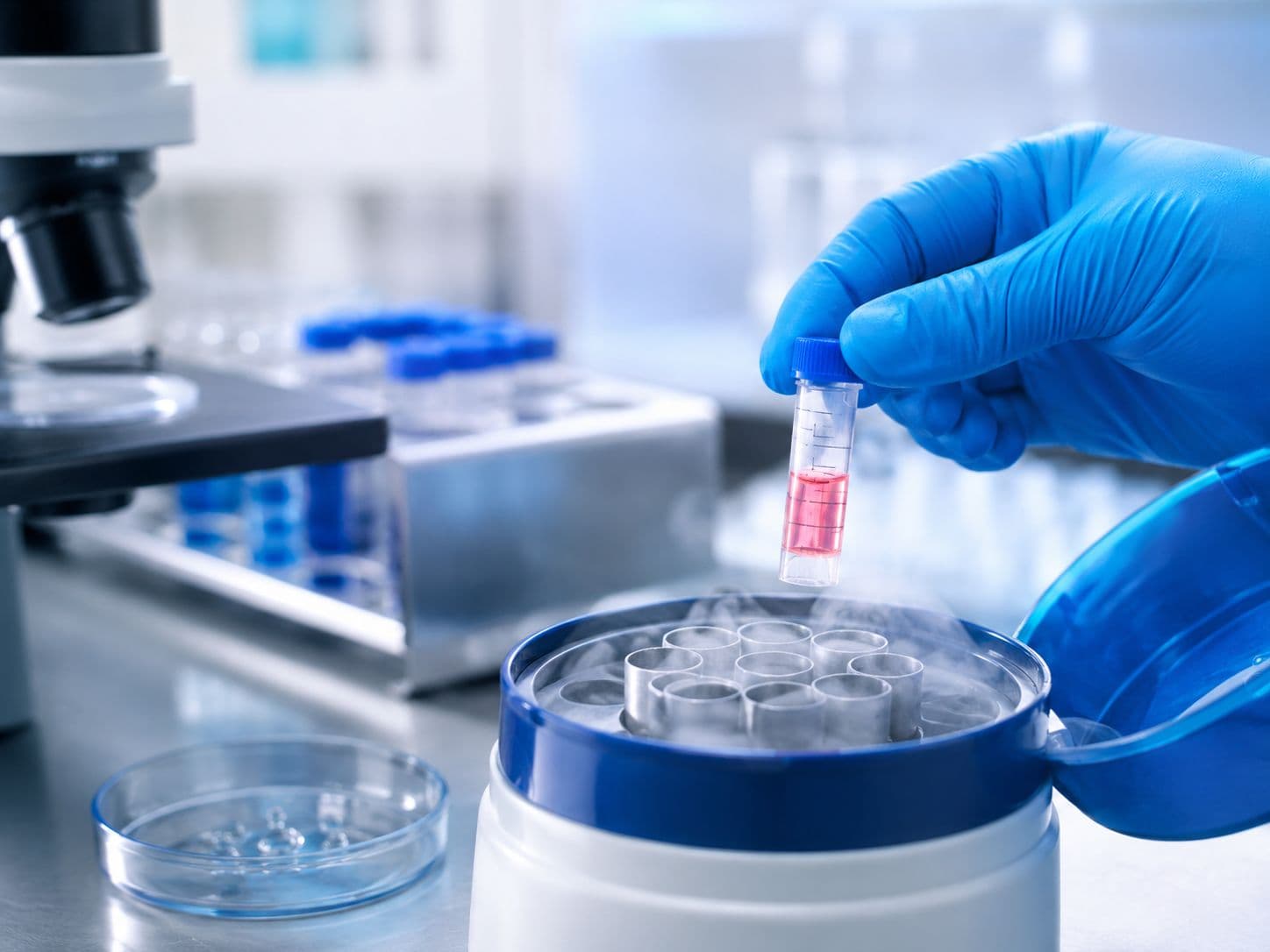
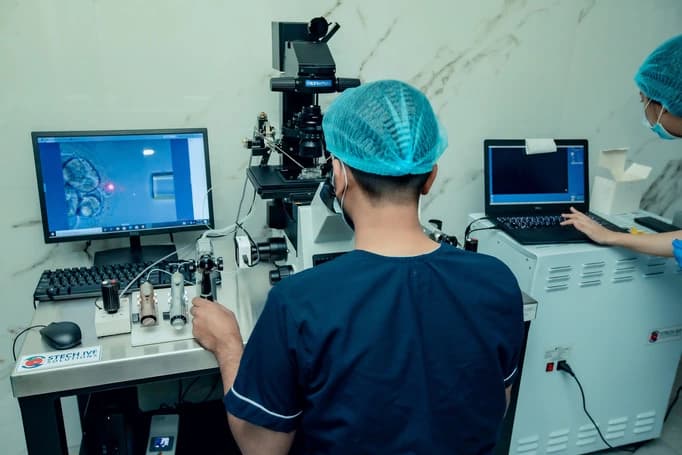
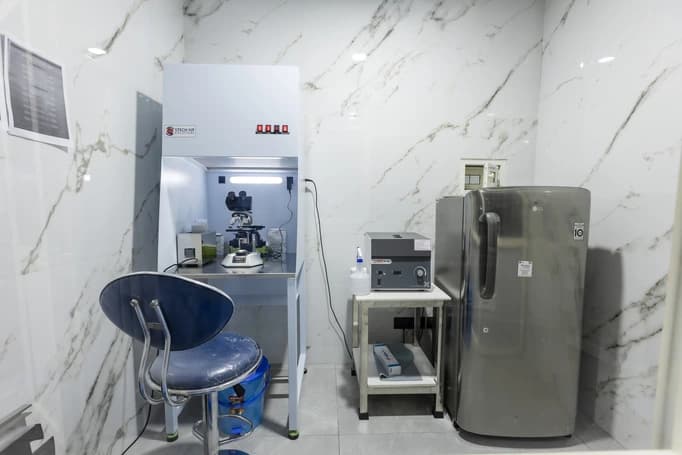
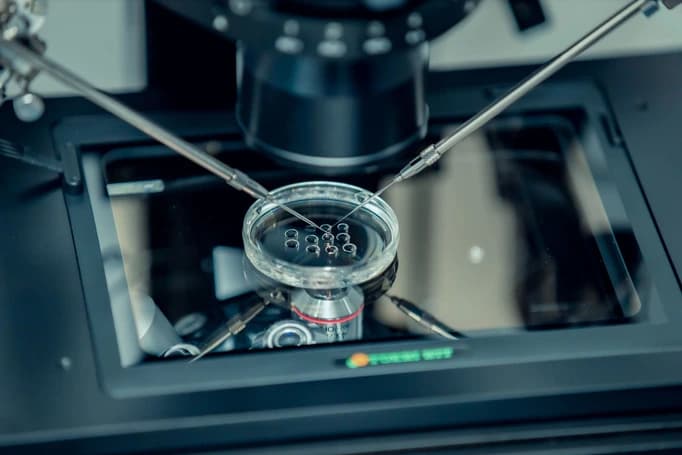
The collected eggs are examined in the embryology laboratory to identify those that are mature and suitable for freezing. Suitable eggs are cryopreserved using vitrification, a rapid-freezing technique that helps reduce ice-crystal formation, and are then stored under controlled cryogenic conditions.
Recovery and follow-up
Temporary bloating, cramping, spotting or mild discomfort may occur after stimulation or egg retrieval. During follow-up, your team reviews the number of mature eggs frozen, discusses storage arrangements and advises whether another cycle may be considered based on your individual circumstances.
Note: Your egg freezing plan should be finalized only after your reports, diagnosis and individual circumstances are reviewed by the fertility team.
Who should consider egg freezing?
Egg freezing may be considered for personal or medical fertility preservation. Whether it is appropriate depends on your age, ovarian reserve, health and future reproductive plans.
What is the best age for egg freezing?
There is no single best age for egg freezing, but age is one of the most important factors affecting the future potential of frozen eggs. In general, eggs frozen at a younger reproductive age have a better chance of resulting in a future pregnancy than eggs frozen later.
Your fertility specialist will also consider:
- Your current age
- AMH level and antral follicle count
- Menstrual and reproductive history
- Previous ovarian surgery or medical conditions
- Expected response to ovarian stimulation
- Planned medical treatment
- Your future family-building goals
Ovarian reserve tests can help estimate how many eggs you may obtain from a stimulation cycle, but they cannot predict with certainty whether a frozen egg will result in pregnancy or live birth.
Egg freezing under 35
For people planning to delay pregnancy, discussing egg freezing before age 35 may offer an advantage because egg quantity and reproductive potential generally decline with age.
Egg freezing between 35 and 39
Egg freezing can still be considered during this age range. Your ovarian reserve, expected number of mature eggs and realistic future chances should be discussed individually with a fertility specialist.
Egg freezing at 40 and above
Egg freezing may be an option for selected patients, but the likelihood that each frozen egg will ultimately result in a live birth becomes lower as age increases. A specialist can help compare egg freezing with other reproductive options based on your circumstances.

How many eggs should I freeze?
There is no evidence-based number of frozen eggs that can guarantee one baby for every patient. Your age and ovarian response have an important influence on the discussion.
After your fertility assessment and treatment cycle, your specialist can explain:
- Your expected ovarian response
- How many eggs were retrieved
- How many were mature enough to freeze
- Whether another cycle may be worth considering
- The limitations of estimating future pregnancy from the number of frozen eggs
How are frozen eggs used in the future?
When you are ready to explore pregnancy using your stored eggs, the process begins with another consultation. Your fertility and general reproductive health at that time may need to be reassessed. The process typically involves:
- 1
Warming the eggs
Selected frozen eggs are removed from storage and carefully warmed in the embryology laboratory. Not every frozen egg will necessarily survive the warming process.
- 2
Fertilization
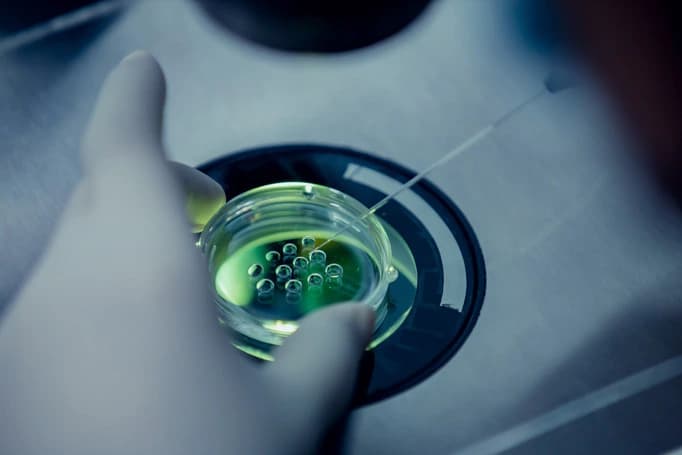
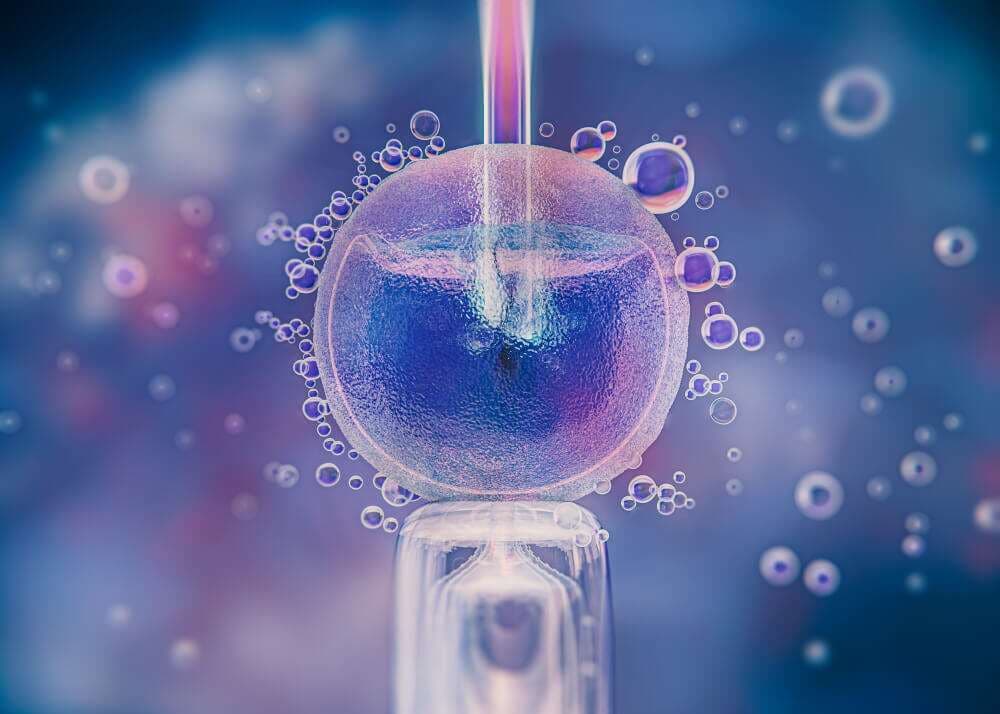
Surviving mature eggs are fertilized with sperm in the laboratory. Depending on the laboratory protocol and individual circumstances, fertilization may involve ICSI, in which a single sperm is injected directly into the egg.
- 3
Embryo culture
Successfully fertilized eggs are monitored as they develop into embryos. Not every fertilized egg develops into an embryo suitable for transfer.
- 4
Embryo transfer
If an appropriate embryo develops and your uterine assessment is suitable, an embryo may be transferred into the uterus as part of fertility treatment. Any additional embryos suitable for preservation may be discussed according to your clinical plan and consent.
Why Choose Angel for Egg Freezing in Nepal?
When choosing an egg freezing clinic in Nepal, patients should look beyond the procedure itself. Age at freezing, ovarian reserve, the number of eggs collected, laboratory expertise, vitrification, storage arrangements and realistic counseling can all affect future outcomes.
Personalized fertility assessment
Before treatment, Angel evaluates your age, ovarian reserve, ultrasound findings, medical history and future fertility goals to plan an appropriate stimulation and egg-freezing approach. Age and the number of eggs frozen are important predictors of future success.
Experienced embryology and vitrification
Egg freezing depends heavily on careful laboratory handling. Angel's embryology team provides oocyte handling, vitrification and cryopreservation as part of its ART laboratory services. Vitrification is the modern fast-freezing method commonly used for egg preservation.
Complete fertility care in one center
Consultation, fertility assessment, ovarian stimulation, egg retrieval and laboratory cryopreservation are coordinated through the same fertility team in Kathmandu, helping patients move through treatment with continuity of care.
Clear storage and cost counseling
Before freezing your eggs, you should understand treatment costs, medication, storage arrangements, future use and any additional procedures that may be required. Clear upfront information helps avoid unexpected costs or decisions later.
Realistic guidance about future success
Egg freezing can preserve reproductive options, but it does not guarantee a future pregnancy or baby. Angel focuses on counseling patients about realistic expectations, possible risks and alternatives before treatment begins.



Our Treatments
Explore fertility treatments that may be considered alongside or after egg freezing, depending on your diagnosis, reports and future family-building plans.


Frequently asked questions about egg freezing in Nepal
Clear answers to common questions about the egg freezing timeline, egg retrieval, storage, future use and eligibility in Kathmandu.