
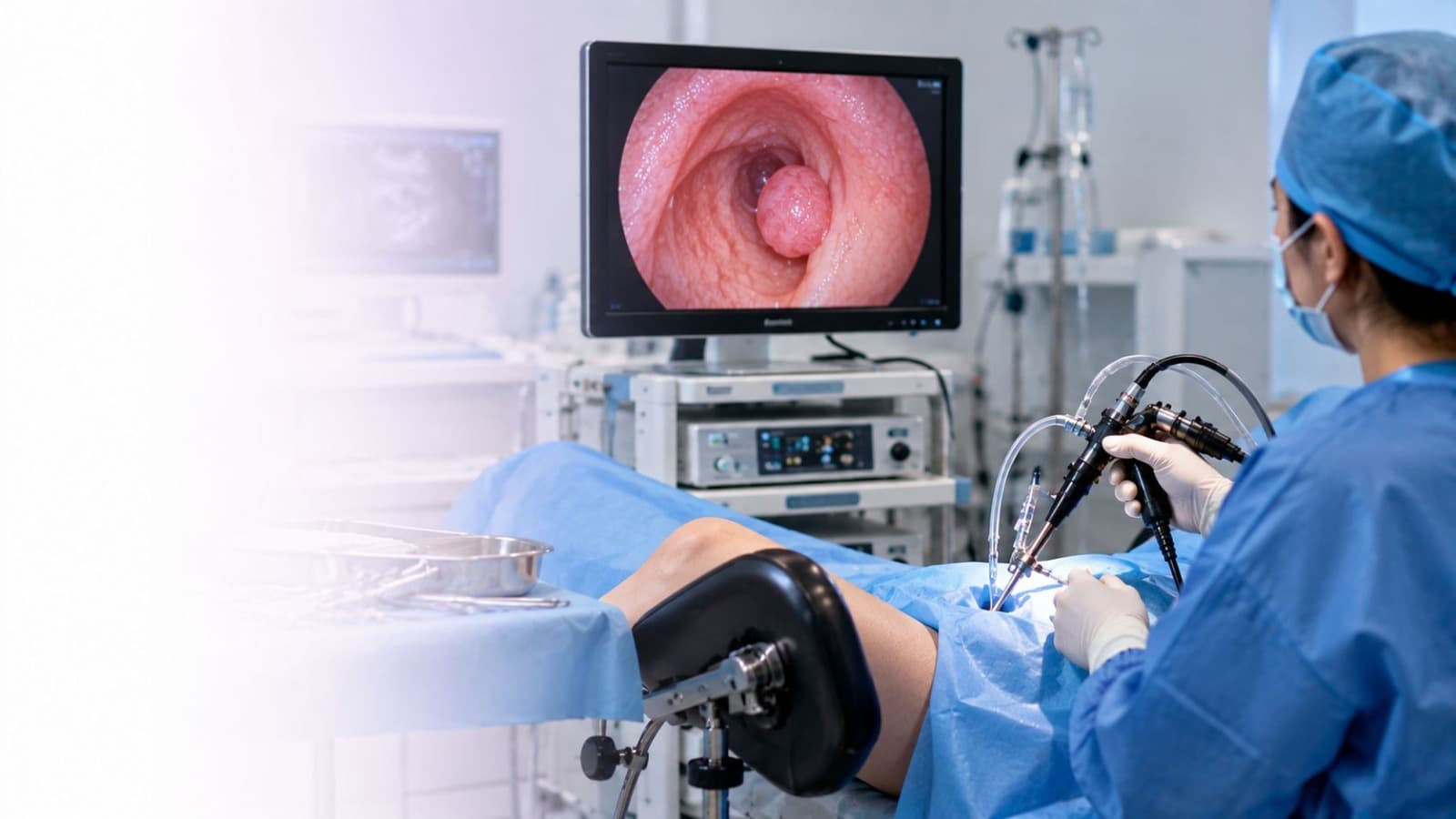
What Is Gynecological Hysteroscopy?
Gynecological hysteroscopy is a minimally invasive procedure that uses a thin, lighted camera called a hysteroscope to examine the inside of the uterus. The instrument is passed through the vagina and cervix without making abdominal incisions. It helps diagnose and, when appropriate, treat conditions such as uterine polyps, submucosal fibroids, and intrauterine adhesions (scar tissue) that may affect menstrual health or fertility.
Diagnostic vs Operative Hysteroscopy
Diagnostic hysteroscopy
A short look inside the uterus to find the cause of abnormal bleeding, confirm something seen on ultrasound, or check the cavity in infertility or recurrent miscarriage.
Operative hysteroscopy
Treatment through the hysteroscope, such as removing a polyp or fibroid, dividing adhesions or removing a lost IUD. Small problems can often be treated during the diagnostic procedure ("see and treat").
When Is Hysteroscopy Recommended?
Endometrial polyps
Polyps can cause irregular or heavy bleeding and may affect fertility. They are removed hysteroscopically and sent for testing.
Fibroids inside the uterine cavity
Submucosal fibroids, which bulge into the cavity, can cause heavy bleeding and miscarriage and are removed by hysteroscopic myomectomy.
Intrauterine adhesions (Asherman's syndrome)
Scar tissue after D&C, infection or surgery can cause scanty periods and infertility. Adhesions are carefully divided, sometimes over more than one procedure.
Abnormal uterine bleeding
Heavy, irregular or bleeding between periods, and any bleeding after menopause, may need a direct look and a targeted biopsy.
Lost IUD or retained tissue
An IUD without visible threads or tissue remaining after pregnancy can be located and removed.
Uterine septum
A septum is a band of tissue dividing the uterus. A randomised trial found that removing it did not improve live birth rates, so we discuss the evidence carefully before recommending surgery.
Before IVF – only when there is a reason
If your ultrasound shows a normal cavity, routine hysteroscopy before IVF has not been shown to raise live birth rates, including after previous failed cycles. We recommend it when a scan or your history suggests a problem inside the uterus.
Hysteroscopy Procedure Step by Step
- 1
Initial Consultation
Your gynecologist reviews your medical history, symptoms and existing investigations. If a uterine cavity abnormality is suspected, the possible role of hysteroscopy is discussed.
- 2
Pre-Procedure Assessment
Before the procedure, your specialist explains the preparation required.
Hysteroscopy is generally avoided during an ongoing pregnancy. The timing may therefore need to be coordinated with your menstrual cycle. The team will also discuss the available pain-relief or anesthesia options.
- 3
Hysteroscope Insertion
The hysteroscope is introduced through the vagina and cervix. Fluid is used to create a clearer view of the uterine cavity. The doctor examines the uterine lining and looks for abnormalities relevant to your symptoms or previous findings.
- 4
Diagnosis or Treatment
During diagnostic hysteroscopy, the specialist examines the uterine cavity. If operative treatment has been planned, suitable instruments may be introduced through the hysteroscope to perform the agreed procedure. A tissue sample may be collected when clinically indicated.
- 5
Recovery and Observation
After the procedure, you may experience temporary cramping or light vaginal bleeding. The required observation period depends on the type of procedure and whether anesthesia or sedation was used.
- 6
Follow-Up
Your specialist explains the findings and recommends further management if necessary. When a tissue sample has been taken, the follow-up plan may depend on the laboratory results.
Hysteroscopy Recovery and Aftercare
Recovery depends on whether hysteroscopy was diagnostic or operative and the type of anesthesia used.
After an uncomplicated diagnostic procedure, many patients can return to ordinary activities relatively quickly.
Temporary symptoms may include:
- Period-like cramps.
- Light vaginal bleeding or spotting.
- Mild discomfort.
- Temporary fatigue, particularly after anesthesia.
Your doctor will provide specific instructions regarding medication, sexual activity and returning to your usual routine.
Seek medical assessment if you develop fever, worsening abdominal pain, heavy bleeding or other concerning symptoms following the procedure.
Why Choose Angel for Hysteroscopy?
At Angel Fertility Clinic, we combine gynecological endoscopy expertise with fertility-focused assessment to guide appropriate treatment decisions.
Experienced Hysteroscopy Specialists
Our medical team includes gynecologists with specialised training in hysteroscopy and advanced endoscopic surgery, providing assessment and treatment for selected uterine conditions.
Careful Assessment Before the Procedure
Not every uterine condition requires hysteroscopy. Our specialists review your symptoms, medical history, and previous diagnostic findings to determine whether the procedure is appropriate.
Fertility-Focused Treatment Planning
For patients planning pregnancy, hysteroscopy findings can help identify uterine conditions that may affect fertility and guide further treatment decisions, including IVF when appropriate.
Personalised Guidance and Treatment Options
Our specialists explain the purpose of hysteroscopy, its potential benefits, associated risks, and available alternatives, helping you make informed decisions about your reproductive health.