What Is Fertility Preservation?
Fertility preservation is the use of medical methods to protect or store a person's reproductive potential for possible future use. It may involve freezing eggs, sperm, embryos, or ovarian tissue, and is commonly considered when fertility may be affected by cancer treatment, certain medical conditions, surgery, genetic factors, or age-related decline. Its purpose is to preserve future reproductive options, but it does not guarantee a future pregnancy or live birth.

Who Should Consider Fertility Preservation?
Fertility preservation may be considered by people whose future fertility could be affected by medical treatment, surgery, certain health conditions, or age-related fertility decline. The right approach depends on your age, reproductive health, diagnosis, planned treatment and future family-building goals.
You may consider discussing fertility preservation with a specialist if you:
If an upcoming treatment may affect your fertility, it is best to discuss your options before treatment begins whenever medically possible. For people with cancer, current ASCO guidance recommends early fertility counselling and prompt referral to a reproductive specialist for patients who are interested in, or uncertain about, preserving fertility.
Fertility Preservation Options
There are several fertility preservation options available, and the most appropriate method depends on factors such as age, reproductive health, medical condition, treatment timeline and future family-building plans. Common approaches include preserving eggs, sperm, embryos or, in selected circumstances, ovarian tissue.
Oocyte Cryopreservation
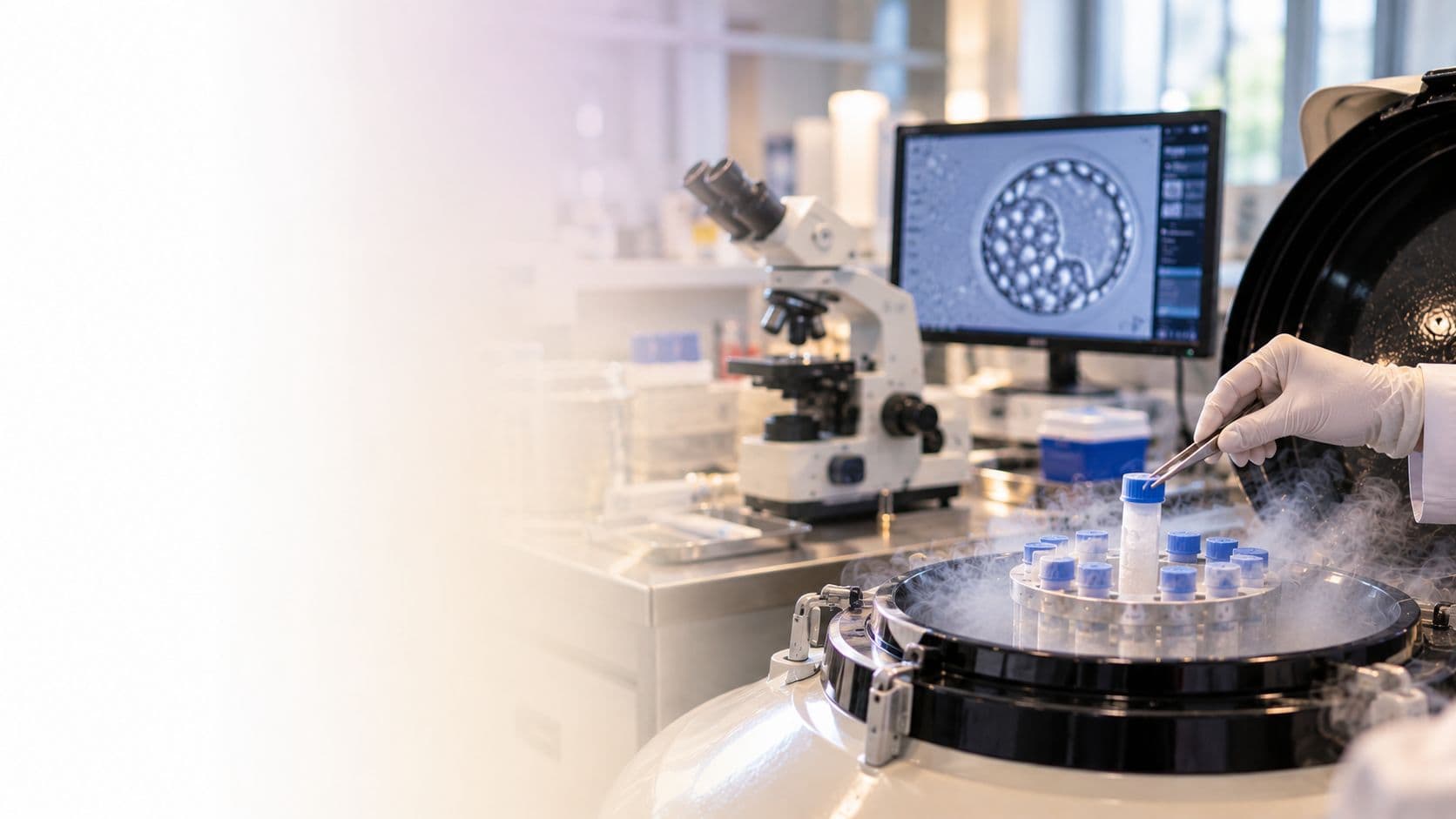
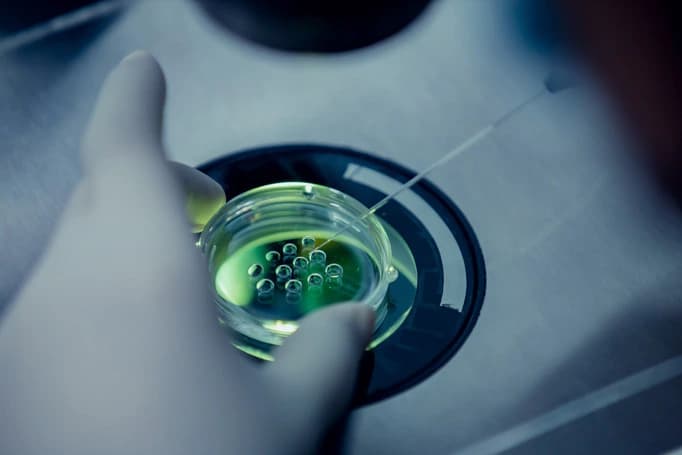
Oocyte cryopreservation involves stimulating the ovaries, collecting mature eggs and freezing them for possible future use. The eggs are stored unfertilised, so a sperm source is not required at the time of preservation. Modern cryopreservation commonly uses vitrification, a rapid-freezing technique.
The suitability and expected outcome depend on factors including age at the time of preservation and the number of mature eggs stored.
Sperm Cryopreservation
Sperm cryopreservation, also known as sperm banking, involves collecting and freezing sperm for possible use in future fertility treatment. It is an established fertility preservation method and may be considered before chemotherapy, radiotherapy, testicular surgery or other treatments that could affect sperm production.
If a semen sample cannot be produced or does not contain sperm, surgical sperm retrieval may be considered in appropriate cases. Testicular tissue preservation for boys who have not reached puberty remains investigational.
Embryo Cryopreservation
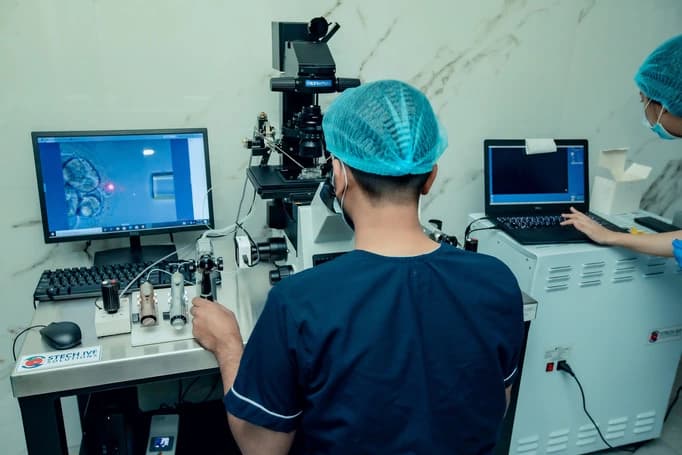
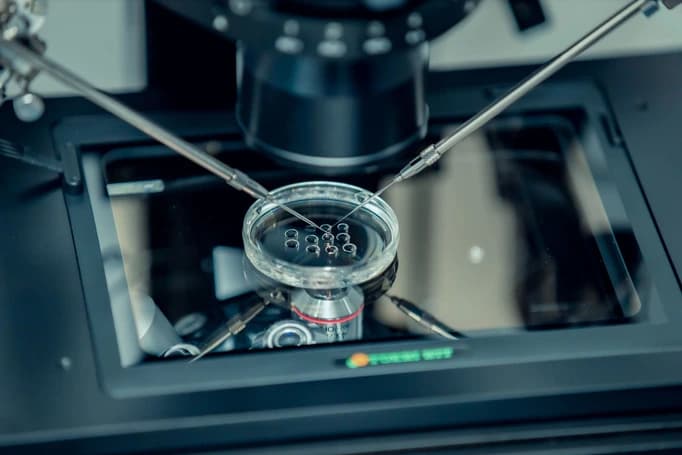
Embryo cryopreservation involves retrieving eggs and fertilising them with sperm through IVF or ICSI. Suitable embryos are then frozen and stored for possible future transfer. It is an established fertility preservation option and requires a sperm source when the embryos are created.
Whether embryo preservation is appropriate depends on individual medical circumstances, reproductive plans and personal preferences.
Ovarian Tissue Cryopreservation
Ovarian tissue cryopreservation involves surgically removing and freezing ovarian tissue that contains immature eggs. The tissue may later be thawed and transplanted back into the body in an attempt to restore ovarian function and reproductive potential.
This option may be considered for selected patients who cannot delay fertility-affecting treatment for ovarian stimulation and is an important fertility preservation approach for some prepubertal girls. Because suitability and availability vary, it requires assessment by a specialist fertility and medical team.
The right fertility preservation method is different for every patient. A fertility specialist can review your age, ovarian or sperm health, medical history, treatment timeline and future reproductive plans to help determine which options may be appropriate for you.
How Does Female Fertility Preservation Work?
For patients choosing egg or embryo freezing, the pathway is similar to the early stages of IVF.
Fertility Assessment
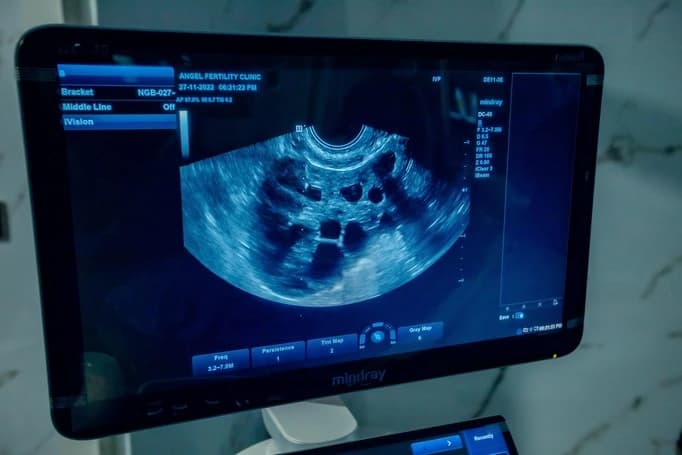
Your specialist reviews your reproductive history, medical condition and future fertility goals. Assessment may include ovarian reserve testing such as AMH, ultrasound assessment of antral follicles and other investigations relevant to your situation.
Personalized Treatment Planning
Your specialist recommends whether egg freezing, embryo freezing or another approach is appropriate. For patients preparing for cancer treatment, this planning should also be coordinated with the oncology team so fertility preservation does not unnecessarily interfere with essential treatment.
Ovarian Stimulation
Hormonal medication is usually given to encourage several follicles to develop during the same cycle. Monitoring with ultrasound and, when appropriate, hormone tests helps assess ovarian response.
Egg Retrieval
When the follicles are ready, a trigger medication is given and egg retrieval is scheduled. The eggs are collected using an ultrasound-guided procedure, usually under sedation or anaesthesia.
Freezing
Mature eggs can be frozen directly. If embryo preservation has been selected, the eggs are first fertilised with sperm and suitable embryos are then cryopreserved.
Sperm freezing
How Does Male Fertility Preservation Work?
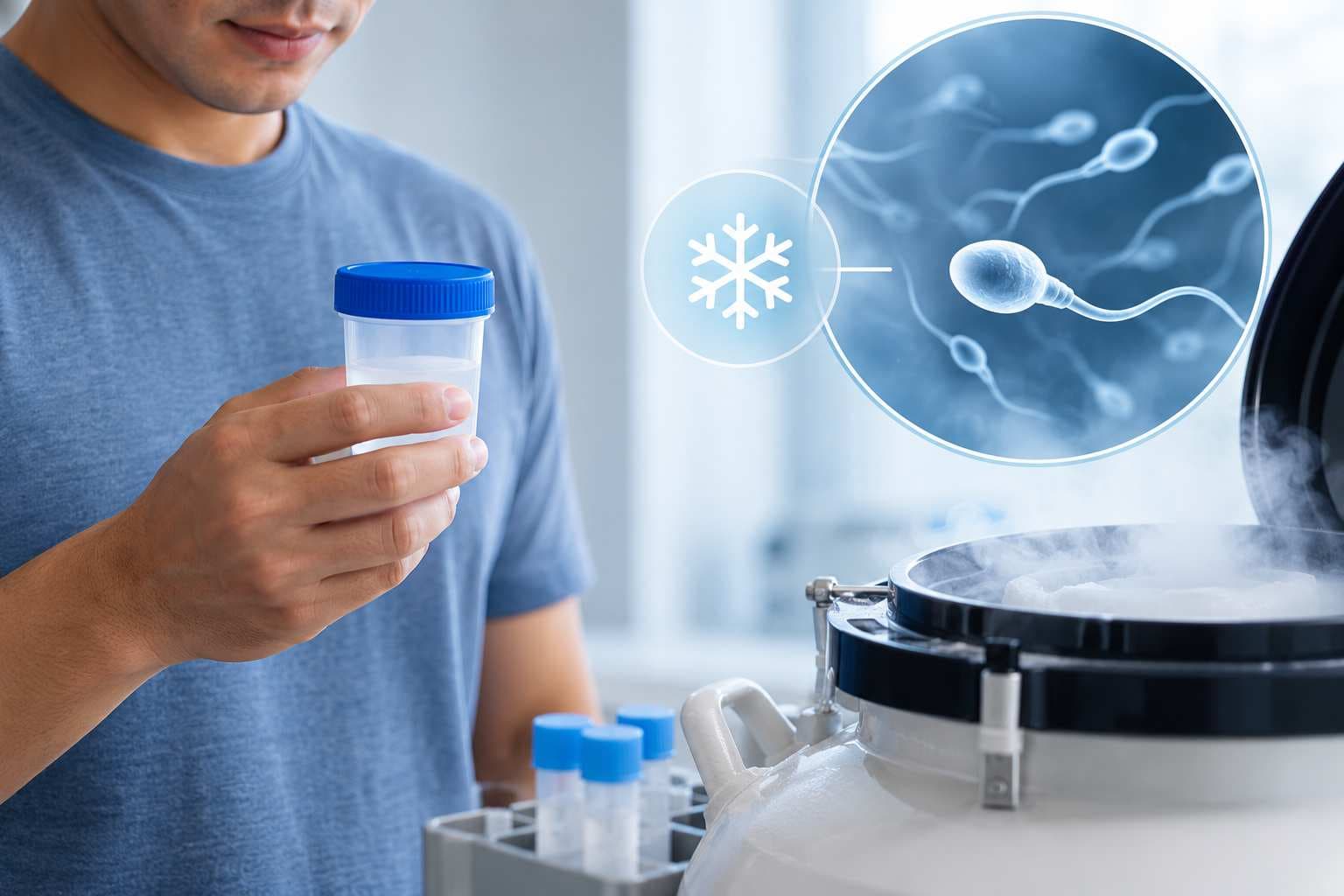
Sperm freezing is generally much simpler than egg or embryo freezing.
A semen sample is collected and evaluated in the laboratory. A cryoprotective solution is then added, and the sample is divided and frozen so that it can potentially be used in future fertility treatment.
If someone cannot produce a semen sample, alternative sperm-retrieval methods may sometimes be discussed depending on their clinical situation.
For cancer patients, fertility preservation should ideally be discussed before treatment begins, because cancer treatment can affect sperm production and genetic integrity.
Why Choose Angel for Fertility Preservation?
Angel Fertility Clinic provides fertility preservation in Nepal through specialist-led planning, fertility assessment and clinical embryology support, with care tailored to each patient's medical and reproductive needs.
Fertility Specialist-Led Planning
Your fertility preservation plan is developed after reviewing factors such as age, reproductive health, medical history, reason for preservation and future family-building goals. This helps ensure that the available options are discussed according to your individual situation.
Personalized Fertility Assessment
Before recommending a fertility preservation option, the clinical team may assess your current reproductive health through appropriate tests and consultations. The findings help guide treatment planning based on your fertility status and medical circumstances.
Coordinated Fertility Care in One Pathway
Consultation, fertility evaluation, treatment planning and laboratory procedures can be coordinated within Angel's fertility program. This provides patients with a more connected approach to fertility preservation rather than managing each stage separately.
Confidential and Transparent Patient Care
Fertility preservation often involves personal and sensitive decisions. Angel's patient-rights policy supports confidentiality of patient information, while patients are provided with treatment information, medical reports and written cost estimates before proceeding with care.





Our Treatments
Explore fertility treatments related to preserving eggs, sperm or embryos for possible future use.