
How Is Male Infertility Diagnosed?
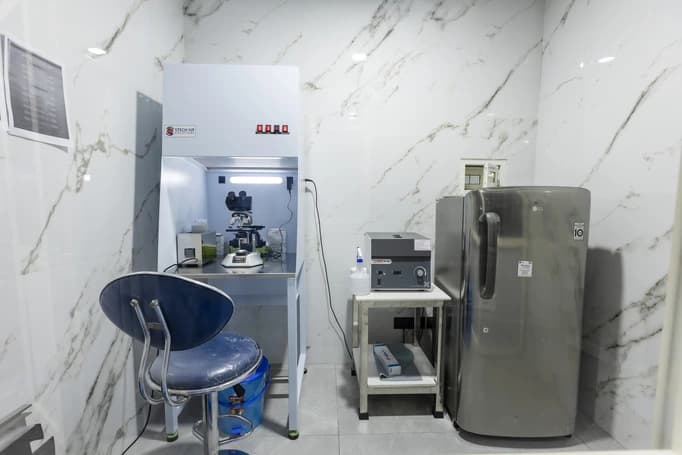
Accurate diagnosis is the first step in understanding male infertility. At Angel Fertility Clinic, testing is recommended based on your medical history, symptoms and initial findings rather than using the same set of tests for every patient.
Medical and Reproductive History
Your fertility specialist reviews your reproductive history, previous pregnancies, medical conditions, surgeries, infections, medications, lifestyle, sexual function and other factors that may affect fertility.
Semen Analysis
Semen analysis is one of the main tests used to evaluate male fertility. It assesses sperm concentration, total sperm count, movement, shape, semen volume and other laboratory parameters when needed. Results are interpreted together with your reproductive history and your partner's fertility evaluation.
Hormone Testing
Blood tests may be recommended to check hormones such as FSH, LH, testosterone and prolactin when a hormonal cause of infertility is suspected.
Ultrasound or Imaging
Scrotal ultrasound or other imaging may be advised when conditions such as varicocele, testicular abnormalities or blockage of the reproductive tract are suspected.
Genetic Testing
Genetic or chromosomal testing may be recommended in selected cases, especially when there is azoospermia or severely reduced sperm production.
Additional Sperm Testing
Advanced tests such as sperm DNA fragmentation may be considered when the results could help guide treatment decisions. Your specialist will recommend these tests only when they are clinically relevant.
Process of Male Infertility Treatment
Male infertility treatment depends on the underlying cause and the fertility needs of both partners. At Angel Fertility Clinic, the treatment process is planned step by step after reviewing your medical history, test results and overall fertility condition.
Fertility Consultation
Your first consultation includes a review of your reproductive history, previous test results, medical conditions, medications, lifestyle and how long you and your partner have been trying to conceive. If available, you can also bring previous semen analysis, hormone tests, ultrasound reports or fertility records.
Male Fertility Testing
Semen analysis is commonly one of the first tests used to evaluate male fertility. Depending on the findings, your specialist may recommend hormone testing, imaging, genetic evaluation or other targeted tests to identify possible causes and avoid unnecessary treatment.
Identify the Likely Cause
Your fertility specialist evaluates whether the issue may involve sperm production, movement, shape, hormonal imbalance, obstruction, varicocele, ejaculation problems or another reproductive condition. Your partner's fertility evaluation may also be considered because treatment decisions are based on the fertility needs of the couple.
Choose the Most Appropriate Treatment
Treatment is selected according to the diagnosis and may include lifestyle changes, medications, treatment of an underlying condition, IUI, IVF with ICSI or surgical sperm retrieval. Your specialist will discuss the recommended option, available alternatives and the factors that may influence treatment outcomes.
Treatment and Follow-Up
Your response to treatment is monitored based on the type of therapy being used. Some treatments may require several months before changes in sperm production can be assessed, while IUI or IVF/ICSI timelines depend largely on the female partner's treatment cycle. If the first treatment is unsuccessful, your specialist reviews the results before deciding whether to repeat, adjust or change the treatment approach.
Male infertility care,tailored to you.
Male infertility treatment depends on the underlying cause, semen findings, reproductive history and the fertility status of both partners. At Angel Fertility Clinic, treatment options are selected after appropriate evaluation rather than following the same approach for every patient.
Your evaluation helps guide which of these options may be appropriate for you.
Medical & lifestyle care
Addressing contributing factors
Lifestyle and Medication Management
Lifestyle changes and medication review may be recommended when factors such as smoking, anabolic steroid use, certain medicines or occupational exposures could affect reproductive health. Fertility supplements may also be discussed, although evidence supporting many antioxidant supplements remains uncertain.
Hormonal Treatment
Hormonal treatment may be considered when testing identifies a specific hormonal condition affecting sperm production. The type of medication depends on the underlying hormonal abnormality and should be prescribed only after appropriate evaluation.
Treatment for Infection or Sexual Dysfunction
When infection, erectile dysfunction, ejaculation problems or another sexual-health condition contributes to infertility, appropriate medical treatment may be recommended as part of the fertility plan.
Varicocele Treatment
Varicocele treatment may be considered for selected men with a clinically detectable varicocele, abnormal semen findings and infertility. Treatment is recommended only after specialist assessment because not every varicocele requires surgery.
Assisted conception
Supporting fertilization
IUI for Male Infertility
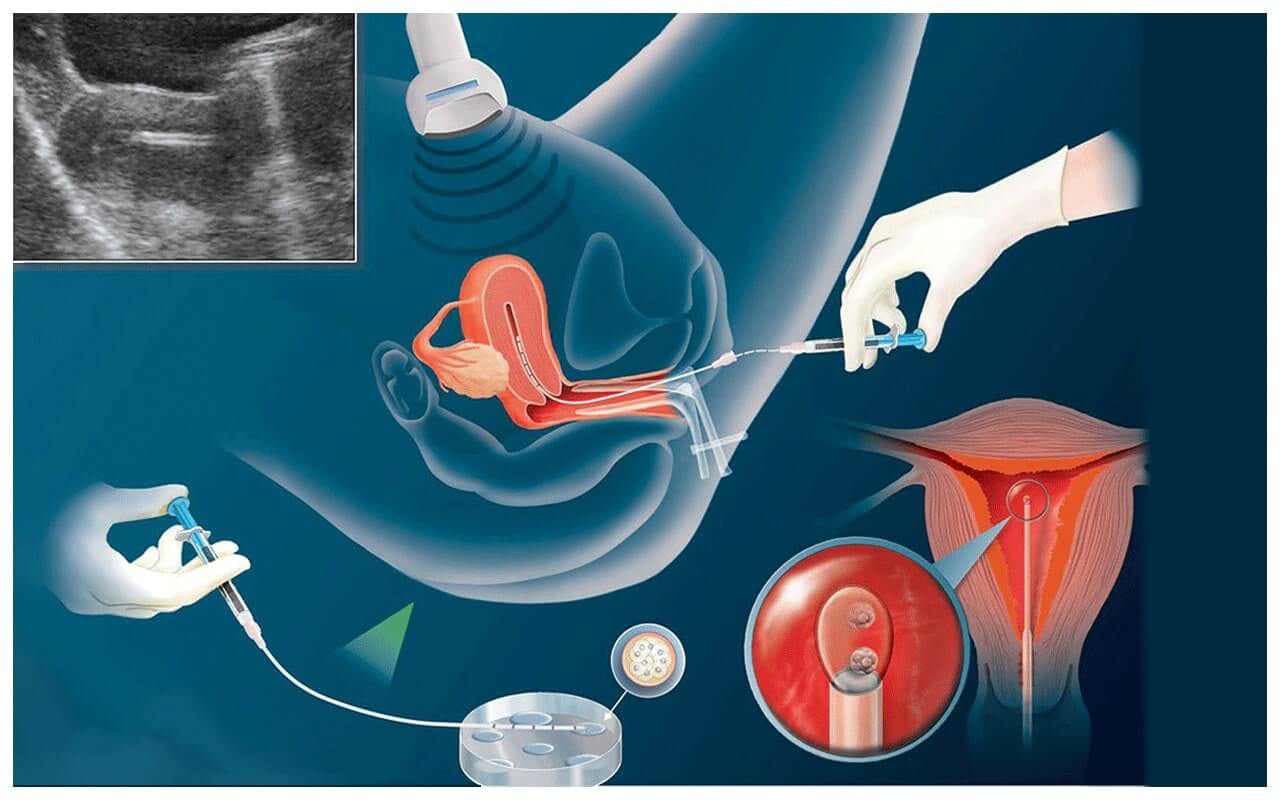
Intrauterine insemination (IUI) involves preparing a semen sample and placing concentrated motile sperm directly into the uterus around ovulation. It may be considered in selected cases of mild male-factor infertility when the sperm parameters and the female partner's fertility condition are suitable.
IVF for Male Infertility
In vitro fertilization (IVF) involves fertilizing eggs with prepared sperm in a fertility laboratory. Conventional IVF may be considered in appropriate cases depending on semen findings and the overall fertility assessment of the couple.
ICSI for Male Infertility
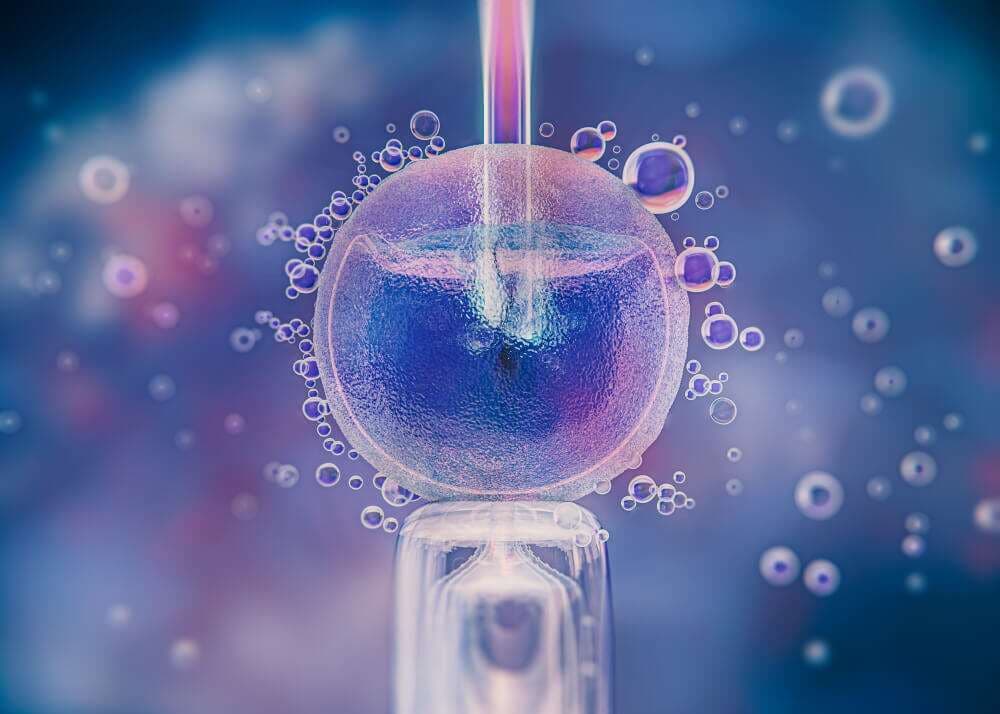
Intracytoplasmic sperm injection (ICSI) is performed as part of an IVF cycle and involves injecting a single viable sperm directly into a mature egg. It may be considered for significant male-factor infertility, very low sperm numbers or motility, surgically retrieved sperm, or previous fertilization problems.
Specialist procedures
Care for complex sperm conditions
Azoospermia Treatment
Azoospermia means that sperm are not detected in the ejaculate. Treatment depends on whether the condition is caused by an obstruction or reduced sperm production and may include hormonal treatment, treatment or reconstruction of an obstruction, or surgical sperm retrieval when appropriate.
Surgical Sperm Retrieval
Sperm-retrieval procedures may be considered when sperm cannot be obtained adequately from the ejaculate. Depending on the diagnosis, techniques may include PESA, TESA, TESE or micro-TESE, with the appropriate procedure selected after specialist evaluation.
Cost of Male Infertility Treatment in Nepal
The cost of male infertility treatment in Nepal varies considerably because “male infertility treatment” can mean anything from basic testing and medical treatment to IVF with ICSI and surgical sperm retrieval.
A patient who requires only consultation, semen analysis and targeted medical treatment will have a very different total cost from a couple requiring IVF, ICSI and sperm retrieval.
Get your estimateThe final cost may depend on:
- Fertility tests required
- Semen analysis and advanced sperm testing
- Hormone or genetic investigations
- Medications
- IUI versus IVF treatment
- Whether ICSI is required
- Surgical or sperm-retrieval procedures
- Sperm freezing and storage
- Number of treatment cycles required
- Treatment required by the female partner
Our Treatments
Explore tests and treatments that may be considered for male infertility, depending on your diagnosis, reports and your partner's fertility assessment.