
What Is Female Infertility?
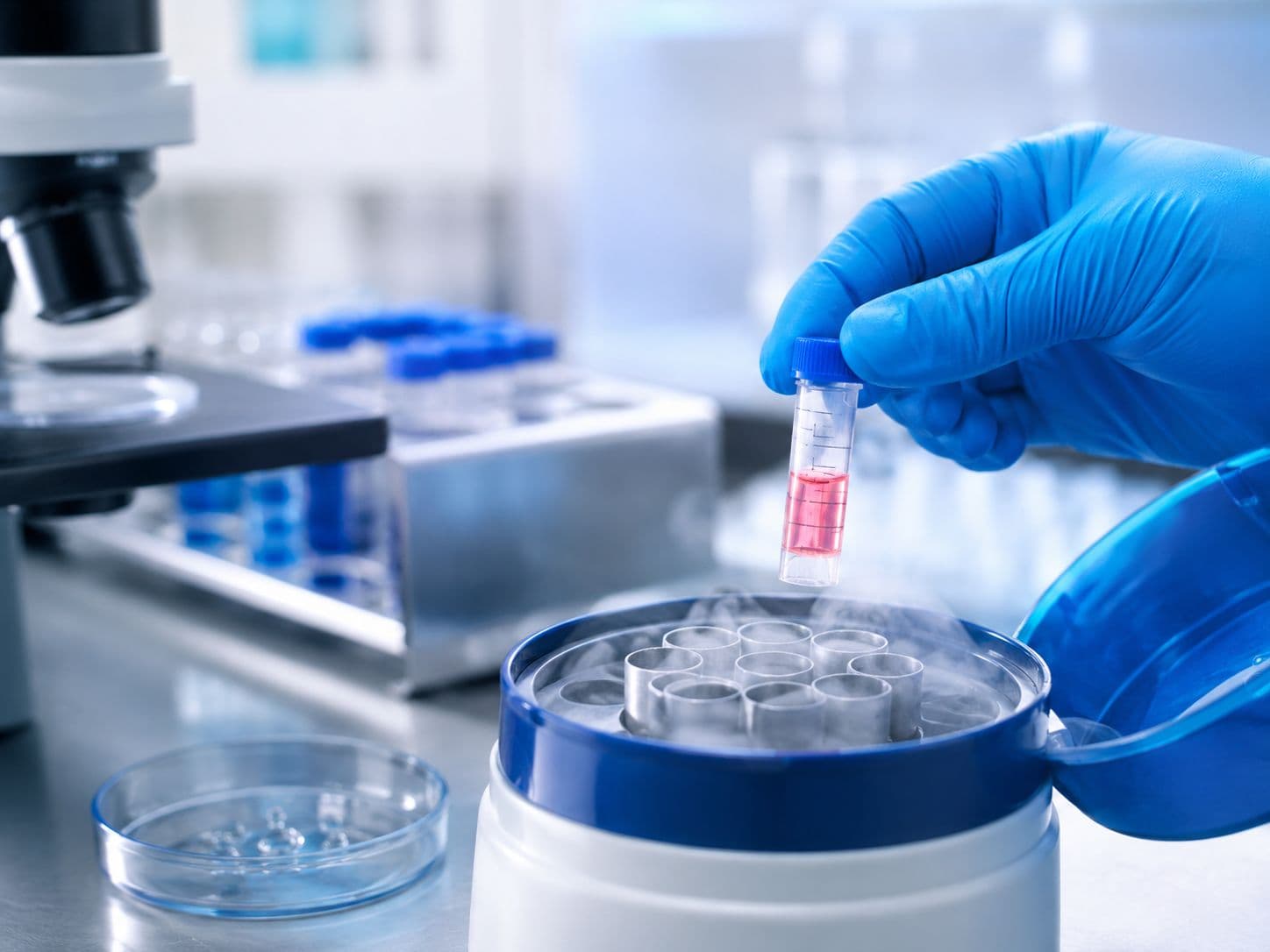
Female infertility is the difficulty in achieving or carrying a pregnancy due to factors affecting the female reproductive system. It is usually diagnosed when pregnancy does not occur after 12 months of regular, unprotected intercourse, or after 6 months if the woman is 35 or older. It can be caused by issues with ovulation, egg quality, fallopian tubes, uterus, hormones, or overall reproductive health.
How Is Female Infertility Diagnosed?
Female infertility diagnosis involves evaluating ovulation, egg supply, reproductive organs and overall fertility health. At Angel Fertility Clinic, fertility testing is personalized based on your medical history, symptoms, age and initial assessment rather than using the same tests for every patient.
Process of Female Infertility Treatment in Nepal
Female infertility treatment follows a personalized approach based on the cause of infertility, age, reproductive health and fertility goals of both partners. At Angel Fertility Clinic, the treatment process begins with a detailed evaluation and continues with a suitable treatment plan based on medical findings and individual needs.
Fertility Consultation
The process begins with a detailed consultation where your fertility specialist reviews your menstrual history, duration of trying to conceive, previous pregnancies, medical conditions, surgeries, medications, lifestyle factors and previous fertility treatments. Your partner's fertility evaluation may also be considered to understand the overall fertility condition.
Fertility Testing and Diagnosis
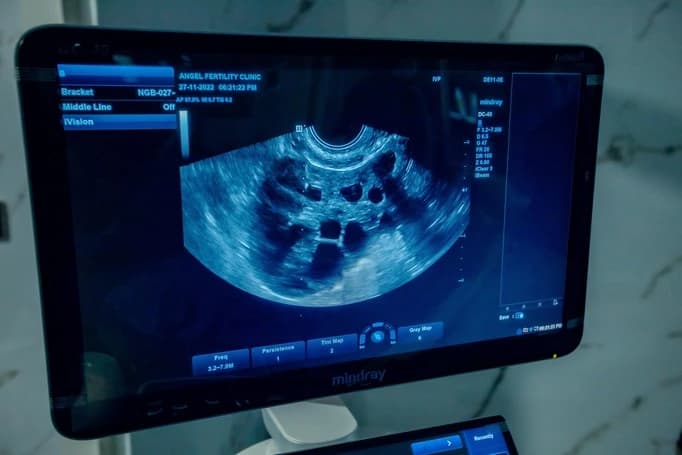
Based on your medical history and initial findings, your specialist may recommend fertility tests to assess ovulation, ovarian reserve and reproductive health. These may include hormone testing, AMH testing, ultrasound evaluation, ovulation monitoring, fallopian tube assessment and uterine evaluation to identify possible causes of infertility.
Identify the Cause of Infertility
Your fertility specialist evaluates factors that may affect pregnancy, including ovulation problems, egg quality, reduced ovarian reserve, blocked fallopian tubes, uterine abnormalities, endometriosis, hormonal conditions and other reproductive factors. Understanding the cause helps determine the most suitable treatment approach.
Develop a Personalized Treatment Plan
Based on the diagnosis, your specialist creates an individualized treatment plan considering factors such as age, duration of infertility, ovarian reserve, fertility history, sperm factors and previous treatments. The recommended approach may include medications, ovulation induction, IUI, IVF, ICSI or other fertility procedures depending on your condition.
Treatment and Follow-Up
Your progress is monitored throughout the treatment process to evaluate your response and make necessary adjustments. Depending on the treatment method, monitoring may include ultrasound scans, hormone tracking, ovulation assessment or embryo development evaluation. Your specialist will review the results and guide the next steps to support your fertility journey.
Female Infertility Treatment Options
Female infertility treatment depends on the underlying cause, age, ovarian reserve, reproductive health and fertility needs of both partners. At Angel Fertility Clinic, treatment options are selected after a complete fertility evaluation and are personalized according to each patient's condition.
Lifestyle Changes and Medication Management
Lifestyle modifications and medications may be recommended to improve fertility health and address factors affecting conception. This may include managing weight, improving nutrition, treating medical conditions and using prescribed medications based on the cause of infertility.
Ovulation Induction
Ovulation induction uses fertility medications to stimulate and regulate egg development and release. It is commonly recommended for women who have irregular or absent ovulation, including those with ovulation-related conditions such as PCOS.
IUI Treatment for Female Infertility
Intrauterine insemination (IUI) involves placing specially prepared sperm directly into the uterus around the time of ovulation. It may be considered for selected cases such as ovulation problems, mild male-factor infertility or unexplained infertility when other fertility factors are suitable.
IVF Treatment for Female Infertility
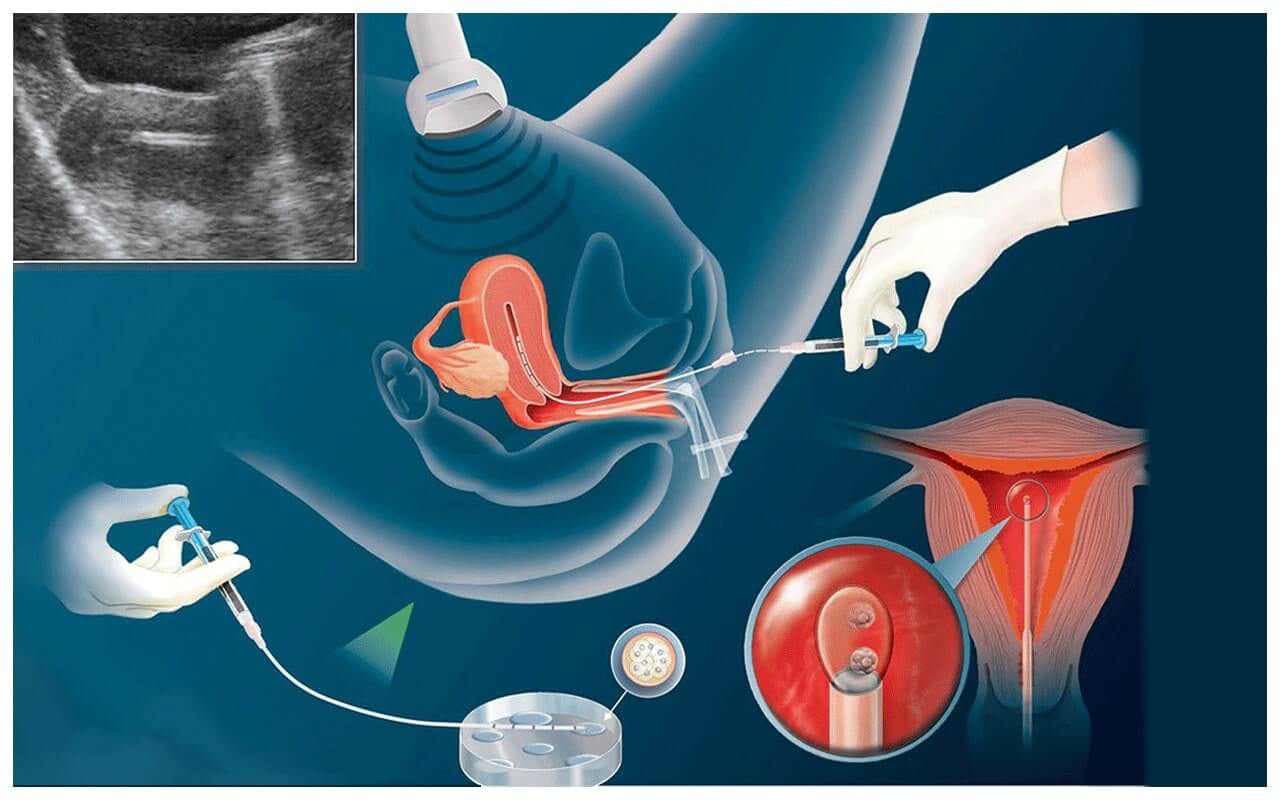
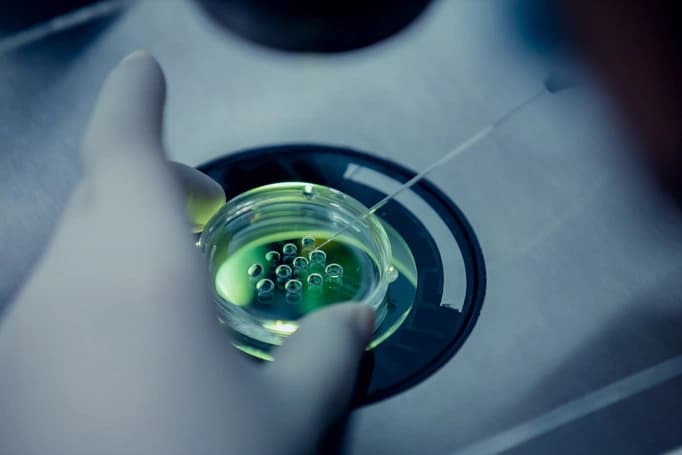
In vitro fertilization (IVF) involves stimulating the ovaries, retrieving eggs and fertilizing them with sperm in a laboratory. The resulting embryo is then transferred into the uterus. IVF may be recommended for conditions such as blocked fallopian tubes, reduced ovarian reserve, advanced maternal age, endometriosis or unsuccessful previous treatments.
ICSI Treatment
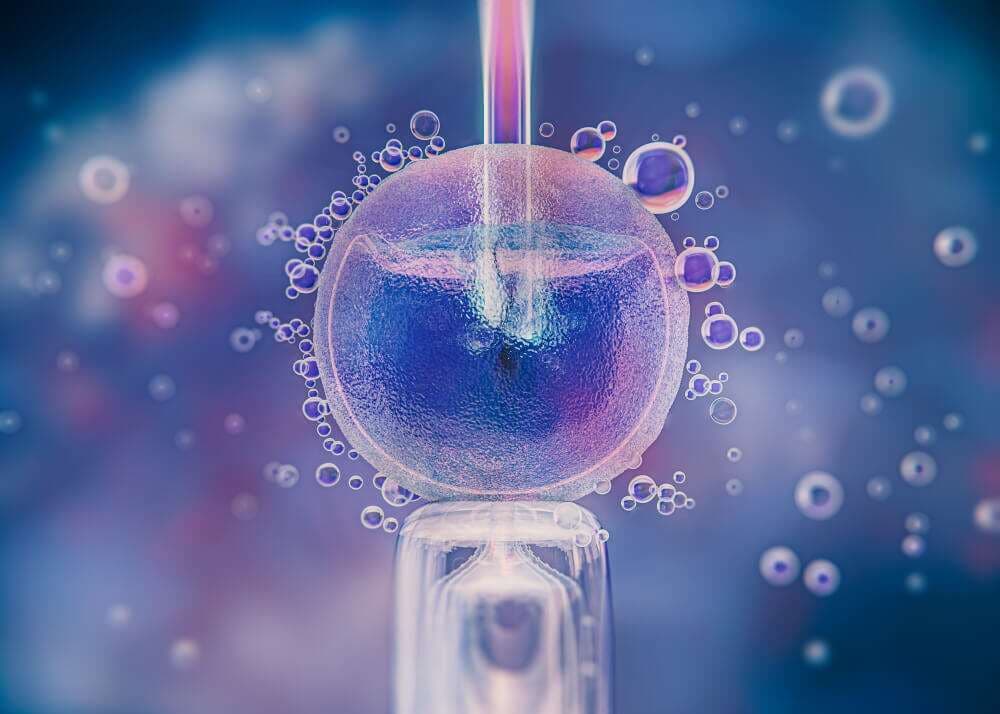
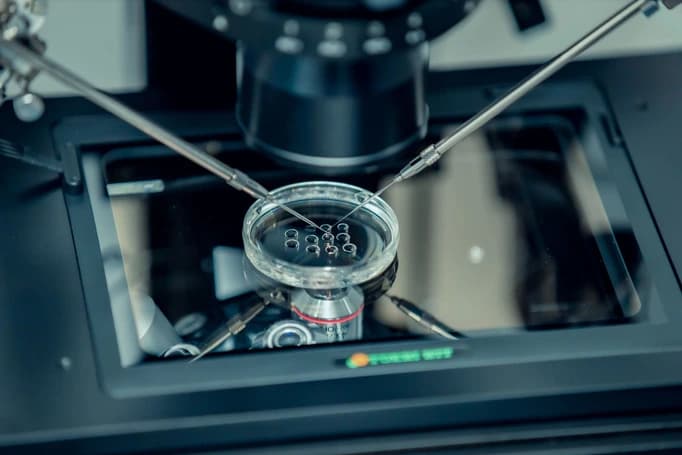
Intracytoplasmic sperm injection (ICSI) is an advanced IVF technique where a single sperm is injected directly into an egg to assist fertilization. It may be recommended when fertilization problems are expected or when male-factor infertility contributes to the fertility challenge.
Fertility Surgery
Surgical treatment may be recommended when structural problems affect fertility. Procedures may help manage conditions such as fibroids, endometriosis, uterine polyps, adhesions or certain fallopian tube problems.
Donor Egg Treatment
Donor egg treatment may be considered when egg quality or ovarian reserve is significantly reduced, or when there is a risk of passing certain genetic conditions. The donor egg is fertilized with sperm, and the resulting embryo is transferred into the uterus.
Fertility Preservation
Fertility preservation involves freezing eggs or embryos for future use. It may be considered for women who wish to delay pregnancy or those undergoing medical treatments that may affect fertility.
Understanding your costs
Cost of Female Infertility Treatment in Nepal
The cost of female infertility treatment in Nepal varies depending on the type of fertility care required, the cause of infertility and the treatment plan recommended by the fertility specialist. Female infertility treatment can range from basic fertility evaluation and medications to advanced procedures such as IUI, IVF or ICSI.
A patient requiring only fertility tests and medication may have a different overall cost compared to someone needing assisted reproductive treatments or additional procedures. The final cost may depend on:
- Fertility tests and diagnostic investigations
- Hormonal tests and ultrasound monitoring
- Medication requirements for treatment cycles
- Type of fertility treatment (IUI, IVF or ICSI)
- Laboratory and embryology procedures
- Additional procedures such as embryo freezing, genetic testing or fertility surgery
- Number of treatment cycles required
- Treatment needs of the partner, as fertility care often involves both partners
Why Choose Angel for Female Infertility Treatment?
Female infertility requires personalized care because every woman's fertility condition is different.
Specialist-Led Female Fertility Care
Our fertility specialists provide complete care from diagnosis to treatment planning and follow-up. Each treatment approach is based on factors such as age, reproductive health, ovarian reserve and fertility goals.
Comprehensive Fertility Evaluation
Accurate diagnosis helps identify the right treatment approach. Our clinic provides fertility consultation, hormonal testing, ultrasound evaluation, ovarian reserve assessment and other required investigations.
Advanced Fertility Treatment Options
Angel Fertility Clinic offers fertility treatments including ovulation induction, IUI, IVF and ICSI, supported by experienced clinical and embryology teams throughout the treatment process.
Personalized Treatment Planning
Every fertility journey is different. Our specialists review medical history, test results and partner factors before recommending a treatment plan suited to each patient's condition.
Transparent & Supportive Care
Our team explains the recommended treatment, expected timeline, available options and costs clearly, helping patients make informed decisions while receiving confidential and compassionate care.





Our Treatments
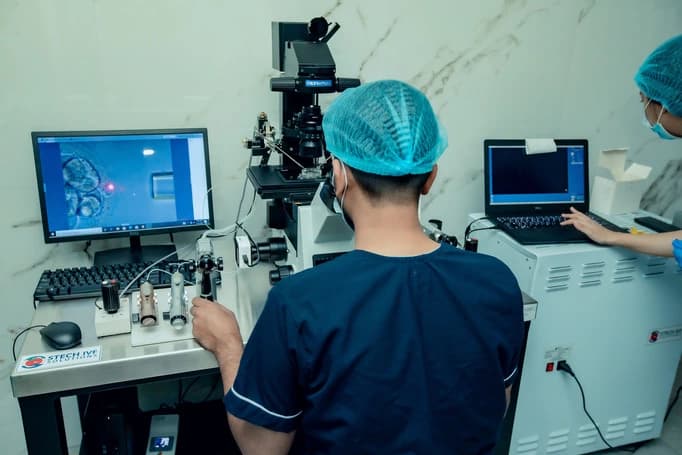
Explore fertility treatments that may be recommended after a complete female fertility evaluation.