
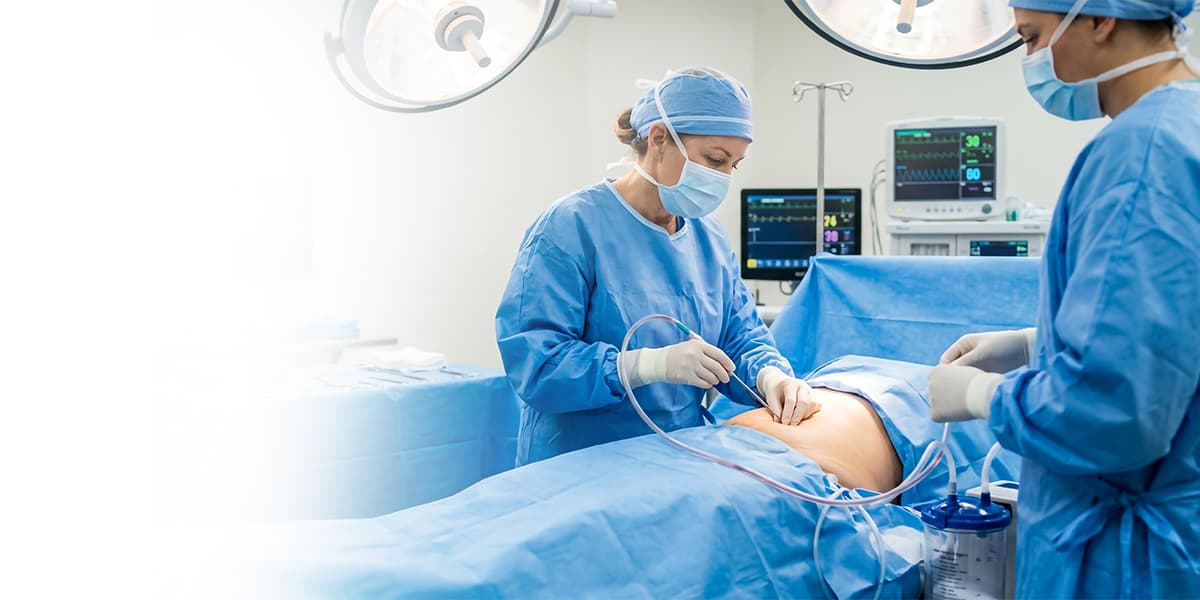
What Is Gynecological Laparoscopy?
Gynecological laparoscopy is a minimally invasive surgical procedure that uses a thin, lighted camera called a laparoscope, inserted through a small abdominal incision, to examine the uterus, ovaries, fallopian tubes, and surrounding pelvic structures. Additional instruments may be used through small incisions to diagnose or treat conditions such as endometriosis, ovarian cysts, fibroids, and pelvic adhesions that may affect fertility.
Diagnostic vs Operative Laparoscopy
Diagnostic laparoscopy
Used to find the cause of pelvic pain or infertility when scans and tests have not given an answer. A dye test can check whether the fallopian tubes are open.
Operative laparoscopy
Used to treat a known problem, such as removing a cyst, endometriosis or a fibroid. Often a diagnostic laparoscopy becomes operative if a treatable problem is found, provided you consented to this in advance.
Conditions Treated With Laparoscopy
Endometriosis
Laparoscopy can confirm endometriosis and remove or destroy visible lesions. Under the 2022 ESHRE guideline, diagnosis now starts with symptoms and imaging, and laparoscopy is advised mainly when imaging is negative or medical treatment has not worked or is unsuitable.
Ovarian cysts and endometriomas (cystectomy)
Persistent, large or symptomatic cysts can be removed while leaving the healthy ovary in place. Removing endometriomas can reduce ovarian reserve, so for women planning IVF your surgeon will weigh surgery against proceeding directly to treatment.
Uterine fibroids (laparoscopic myomectomy)
Fibroids in the uterine wall or on its outer surface can be removed laparoscopically in suitable cases. Very large or numerous fibroids may need open surgery.
Blocked tubes and hydrosalpinx
Laparoscopy checks tubal openness, divides adhesions and can remove a badly damaged, fluid-filled tube (hydrosalpinx) before IVF, as this fluid can lower the chance of IVF success.
PCOS (ovarian drilling)
For selected women with PCOS who do not ovulate on tablets, laparoscopic ovarian drilling is one option to restore ovulation. Medicines are usually tried first.
Pelvic adhesions and chronic pelvic pain
Scar tissue from infection, endometriosis or previous surgery can be released. Adhesions are not always the cause of pain, so we assess carefully before surgery.
Ectopic Pregnancy
Ectopic pregnancy may require laparoscopic surgery, depending on the patient's condition. Angel Fertility Clinic offers specialist gynecological assessment, but severe abdominal pain, fainting, or shoulder-tip pain requires immediate care at the nearest emergency hospital.
Gynecological Laparoscopy Procedure Step by Step
- 1
Specialist Consultation and Surgical Assessment
Your gynecologist reviews symptoms, medical history, ultrasound findings and relevant previous investigations. If surgery is considered, the expected purpose, alternatives and potential risks are discussed.
- 2
Preoperative Preparation
Before the procedure, you may require medical assessment, laboratory investigations and an anesthesia review. The surgical team provides instructions about fasting, medications and arrangements for hospital admission.
- 3
Anesthesia and Laparoscope Insertion
Laparoscopy is usually performed under general anesthesia. The surgeon makes a small abdominal incision and introduces gas to create space for viewing the pelvic structures. A laparoscope is inserted, allowing the surgeon to examine the pelvis.
- 4
Examination and Treatment
The surgeon examines the relevant organs. If an operative procedure has been planned and consented to, additional instruments may be used to treat the identified condition. Not every diagnostic procedure requires surgical treatment.
- 5
Recovery and Discharge
After surgery, you are monitored while recovering from anesthesia. Depending on the procedure, your health and the extent of surgery, discharge may occur on the same day or after a hospital stay.
- 6
Follow-Up Consultation
Your specialist reviews the findings, discusses recovery and explains whether additional treatment or investigations are necessary. If tissue has been removed for laboratory examination, the results may be discussed during follow-up.
What to Expect After Laparoscopy
Recovery after gynecological laparoscopy depends on the type and complexity of the procedure. Most patients recover gradually, with appropriate rest, wound care, and follow-up.
- Post-Surgery Discomfort: Mild abdominal pain, bloating, shoulder-tip pain, and temporary fatigue are common after laparoscopy and usually improve within a few days.
- Hospital Stay: Many patients can return home on the same day, while more complex procedures may require an overnight stay or longer observation.
- Recovery Time: Minor procedures may allow a return to routine activities within a few days, while more extensive surgery may require several weeks of recovery.
- Wound Care and Physical Activity: Follow your surgeon's instructions for incision care, medication, and activity restrictions. Gentle walking is generally encouraged as recovery progresses.
- Follow-Up Consultation: Your specialist may review surgical findings, assess recovery, and discuss further treatment or fertility planning when appropriate.
When to Seek Medical Attention
Seek prompt medical assessment if you experience fever, worsening abdominal pain, persistent vomiting, heavy vaginal bleeding, or redness and discharge around the surgical wounds. Chest pain, difficulty breathing, or fainting require immediate emergency care.
Recovery After Laparoscopy
Most women feel tired and sore for a few days. Shoulder-tip pain from the gas is common and settles within a day or two. You can usually walk the same day, return to desk work within a week after a diagnostic procedure, and take longer (often 2–4 weeks) after major operative surgery such as myomectomy. Follow your surgeon's advice on lifting, driving and intercourse.
Why Choose Angel for Laparoscopy?
At Angel Fertility Clinic, we combine gynecological surgical expertise with fertility-focused assessment to guide appropriate treatment decisions.
Experienced Laparoscopy Specialists
Our medical team includes gynecologists trained in laparoscopic and endoscopic surgery, providing specialist assessment for gynecological and fertility-related conditions.
Careful Evaluation Before Surgery
Not every gynecological condition requires surgery. Our specialists review your symptoms, medical history, and diagnostic findings to determine whether laparoscopy is appropriate.
Fertility-Focused Treatment Planning
Your reproductive goals are considered when discussing surgical options, including potential effects on ovarian reserve and future pregnancy plans.
Integrated Gynecology and Fertility Care
Our gynecology and fertility services support coordinated assessment and treatment planning, including consideration of IUI or IVF when clinically appropriate.