What Is Lifestyle-Related Infertility?
Lifestyle-related infertility means having difficulty getting pregnant when everyday habits or health factors may be affecting fertility in one or both partners. These can include weight, diet, smoking, alcohol, lack of exercise, poor sleep, stress, or exposure to certain chemicals. Such factors may affect ovulation, egg quality, sperm health, hormones, and overall reproductive health. They do not always cause infertility on their own, but they can make conception more difficult or reduce the success of fertility treatment.
Lifestyle Factors That Affect Fertility in Men and Women
Lifestyle influences on fertility include nutrition, weight and exercise, physical and psychological stress, environmental and occupational exposures, substance use and medications. The most common ones are explained below.
Being overweight or underweight can affect fertility by disrupting ovulation, menstrual cycles, hormone balance, and sperm quality.
Poor diet and uncontrolled blood sugar can affect reproductive health, hormone function, ovulation, and healthy weight management.
Smoking, tobacco, and vaping may reduce fertility by affecting egg quality, ovulation, the uterine lining, sperm count, and sperm health.
Heavy alcohol use and recreational drugs can negatively affect male and female fertility by interfering with hormones, ovulation, and sperm production.
Too little or excessive exercise can affect reproductive hormones, ovulation, menstrual regularity, and sperm production.
Poor sleep, frequent night shifts, and ongoing stress may affect hormone balance and overall reproductive health.
Anabolic steroids, testosterone, and some bodybuilding supplements can significantly reduce sperm production and semen quality.
Excessive heat and exposure to pesticides, chemicals, solvents, lead, and air pollution may negatively affect male and female reproductive health.
High caffeine intake may affect fertility in some people, so moderate caffeine consumption is generally advised while trying to conceive.
Lifestyle-Related Infertility in Nepal
Lifestyle risk factors are common in Nepal:
28.9%
In the 2019 national STEPS survey, 28.9% of adults aged 15–69 used tobacco, including 48.3% of men and 11.6% of women.
24.3%
About 24.3% of adults were overweight or obese, and around 97% ate fewer than five servings of fruit and vegetables a day.
17%
Among young women, overweight rose from 1.5% in 1996 to 17% in 2019.
23%
The 2022 Nepal Demographic and Health Survey found that 23% of households are exposed to tobacco smoke every day.
How Is Lifestyle-Related Infertility Diagnosed?
There is no single test for lifestyle-related infertility. Diagnosis usually combines a detailed lifestyle and medical assessment of both partners with standard fertility tests to identify possible contributing factors and rule out other causes of infertility.
Couple Lifestyle and Medical History
Both partners are asked about diet, exercise, sleep, stress, smoking, alcohol, medications, supplements, steroid use, workplace exposure, and their reproductive and sexual history.
Body Measurements
BMI, waist circumference, and blood pressure may be checked to understand whether weight, metabolic health, or related conditions could be affecting fertility.
Metabolic and Hormone Blood Tests
Depending on medical history and symptoms, blood tests may assess blood sugar, thyroid function, prolactin, reproductive hormones, PCOS, or insulin resistance.
Ovulation and Ovarian Reserve Assessment
Cycle history, ovulation tracking, ultrasound, and tests such as AMH may be used to assess ovulation, ovarian reserve, and overall reproductive function.
Semen Analysis
Semen analysis measures sperm count, movement, and shape and helps identify male fertility problems that may be related to lifestyle or other medical causes.
Emotional Wellbeing and Eating Behaviour
Stress, emotional wellbeing, and eating habits may also be reviewed when they could be affecting general health, reproductive health, or fertility treatment.
Checking for Other Causes
Tests may also check for conditions such as tubal blockage, endometriosis, fibroids, hormonal disorders, or significant sperm problems that can exist alongside lifestyle factors.

Assisted reproduction
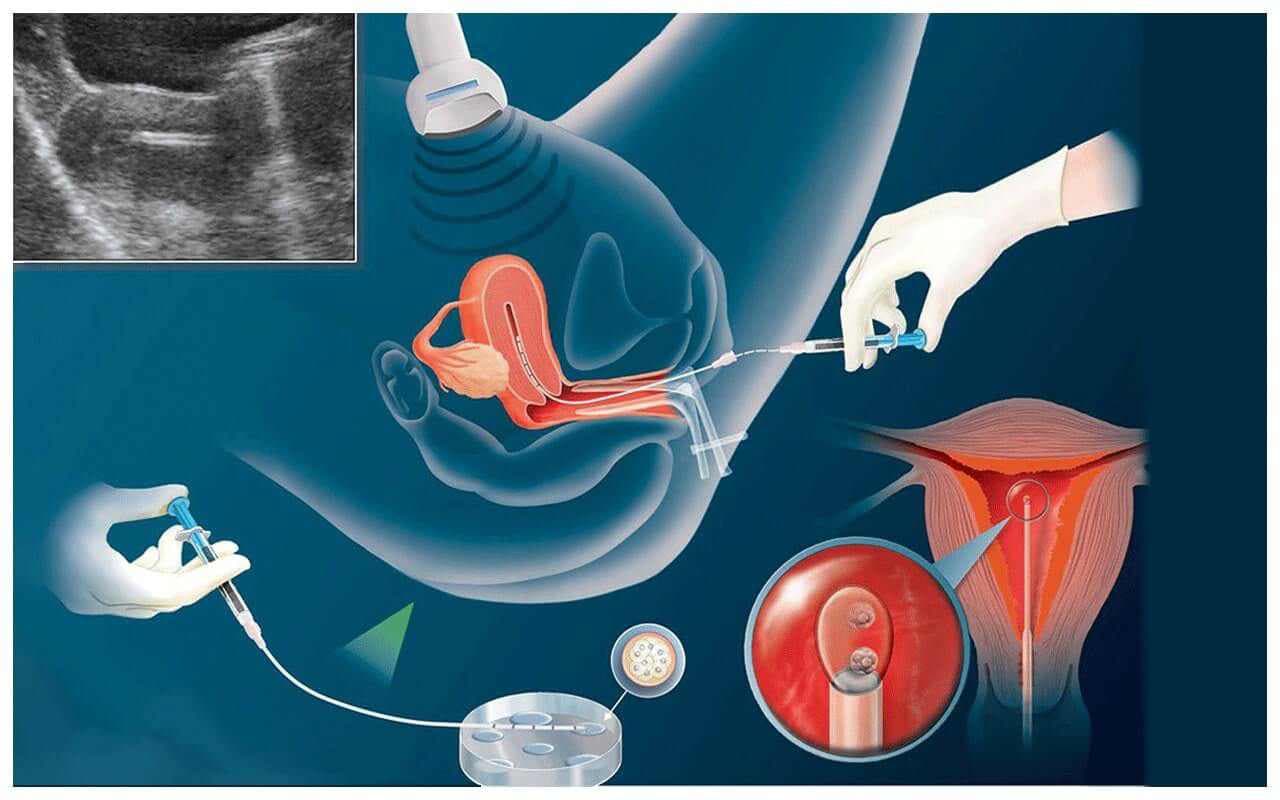
Lifestyle Care Before and During IUI or IVF
Lifestyle factors directly affect assisted reproduction:
- Female BMI should ideally be between 19 and 30 before assisted reproduction, as a BMI outside this range is likely to reduce success.
- Smoking by either the mother or the father can lower the success rates of IVF.
- Smoking has been reported to reduce the chance of an IVF live birth by 34% and to raise IVF miscarriage risk by 30%.
Starting lifestyle care before your IUI or IVF cycle helps you enter treatment in the best possible health.
Why Choose Angel for Lifestyle-Related Infertility Treatment?
Fertility Specialists and Nutrition Experts in One Team
Angel's fertility specialists work with dietitians and nutritionists to create personalised lifestyle plans. Nutrition advice therefore fits your diagnosis, medicines and treatment timeline.
Both Partners Assessed from the First Visit
Lifestyle factors in the male partner are assessed as carefully as in the female partner. This avoids months of changes that only address half of the problem.
Progress Measured with Diagnostics
Semen analysis, ovulation tracking, ultrasound and hormone tests are coordinated through Angel's fertility services. Your progress is measured, not guessed.
A Timeline Based on Your Fertility
Your plan is set by your age, ovarian reserve and test results. You will not be kept in an open-ended "lose weight first" phase when time matters.
A Clear Route to IUI, IVF or ICSI
If lifestyle changes alone do not lead to pregnancy within the agreed time, the same team moves you to the next treatment without starting over.



Our Treatments
Explore fertility treatments that may follow lifestyle care, depending on your test results, age and treatment timeline.