
What Is Preimplantation Genetic Testing (PGT)?
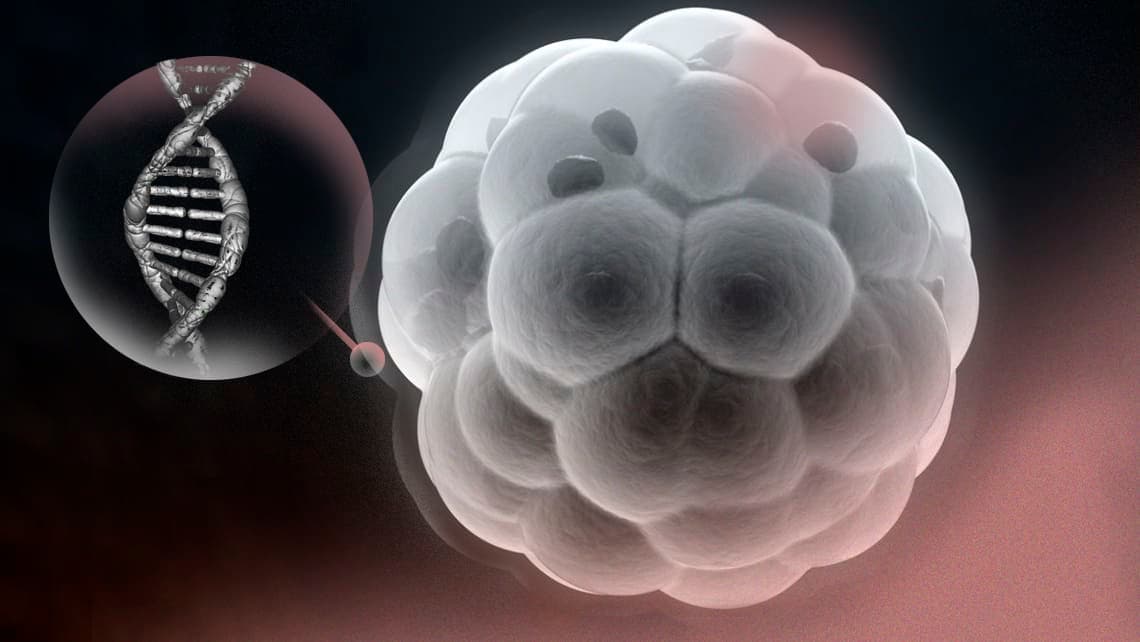
Preimplantation Genetic Testing (PGT) is genetic testing performed on embryos created through IVF before embryo transfer. It is typically carried out at the blastocyst stage by testing a small sample of trophectoderm cells, while the embryo is usually frozen for later transfer. Common PGT types include PGT-A for chromosome number, PGT-M for specific single-gene conditions, and PGT-SR for structural chromosome rearrangements.
PGT Process in Nepal: Step by Step
Fertility consultation and genetic assessment
Your fertility specialist reviews your reproductive history, previous IVF treatment and available genetic reports to determine the appropriate type of PGT. PGT-M generally requires identification of the specific genetic variant, while PGT-SR may require a karyotype or chromosome report confirming a structural rearrangement. Additional genetic counseling, family samples or reports may be needed depending on your case.
Ovarian stimulation and egg retrieval
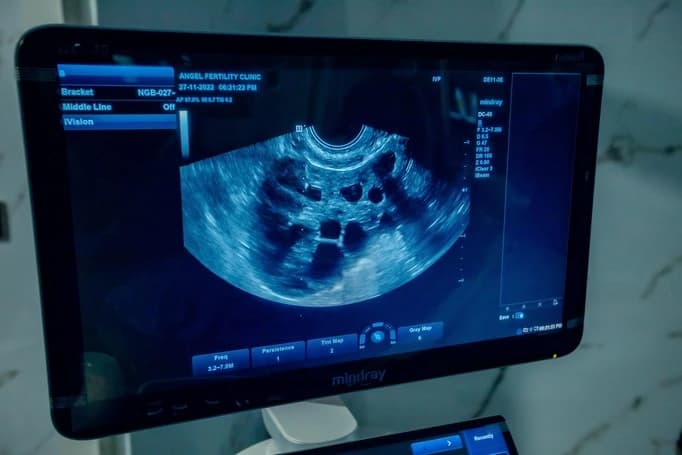
Because PGT is performed on embryos created through IVF, the ovaries are stimulated with fertility medications to encourage the development of multiple follicles. Your response is monitored with ultrasound and, when required, hormone tests. Once the follicles are ready, the eggs are collected through an egg retrieval procedure.
Fertilization and blastocyst development
The retrieved eggs are fertilized in the embryology laboratory using the fertilization method recommended for your IVF cycle. The resulting embryos are carefully cultured and monitored as they develop. Embryos suitable for PGT are commonly allowed to reach the blastocyst stage, usually around day 5 or day 6, and sometimes day 7, before biopsy.
Embryo biopsy and vitrification
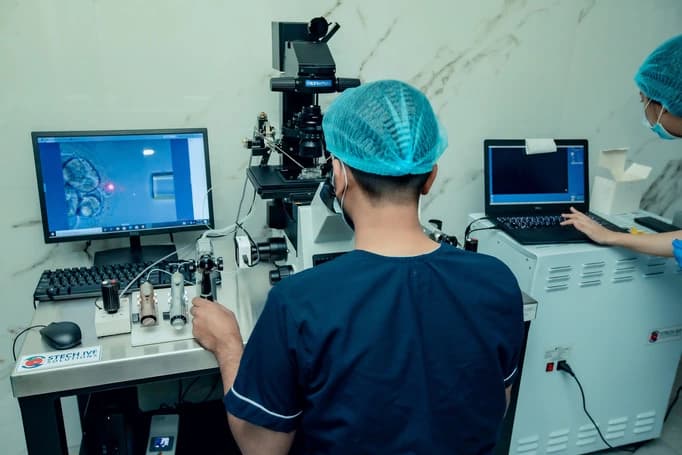
A trained embryologist removes a small sample of cells from the trophectoderm, the outer part of the blastocyst that contributes to the placenta. The inner cell mass, which develops into the fetus, is not intentionally biopsied. After biopsy, embryos are commonly vitrified and cryopreserved while the sampled cells undergo genetic testing.
Genetic testing for PGT-A, PGT-M or PGT-SR
The biopsied cells are analysed by a specialized genetics laboratory according to the type of PGT required. PGT-A assesses chromosome copy number, PGT-M tests for a specific inherited single-gene condition, and PGT-SR evaluates chromosome imbalances associated with structural rearrangements such as translocations or inversions.
PGT results and embryo selection
Your fertility team reviews the PGT results and explains which embryos may be suitable for transfer. Findings can vary by test type and may include euploid, aneuploid, mosaic, affected, unaffected, balanced, unbalanced or inconclusive results. Embryo selection also considers development, morphology and your clinical history.
Frozen embryo transfer and pregnancy follow-up
If an embryo is considered suitable for transfer, it is warmed and transferred to the uterus during a planned frozen embryo transfer (FET) cycle. PGT can provide useful genetic information for embryo selection, but it cannot guarantee implantation, pregnancy or a healthy baby. After pregnancy is achieved, appropriate prenatal screening and, when indicated, prenatal diagnostic testing should still be discussed with your healthcare team.
Explore PGT Options
Preimplantation Genetic Testing for Aneuploidy(PGT-A)
PGT-A assesses whether an embryo has the expected number of chromosomes. It may help identify euploid and aneuploid embryos and support embryo-selection decisions, particularly in selected IVF patients. However, PGT-A is not routinely recommended for every IVF cycle and its usefulness depends on factors such as age, embryo number and reproductive history.
Preimplantation Genetic Testing for Monogenic Disorders(PGT-M)
PGT-M tests embryos for a specific known single-gene condition when a disease-causing genetic variant has been identified in a parent or family. Testing is usually tailored to the exact gene and variant involved and may require preparation before IVF. It does not screen embryos for every possible genetic disorder.
Preimplantation Genetic Testing for Structural Rearrangements(PGT-SR)
PGT-SR is used when a biological parent carries a structural chromosome rearrangement, such as a translocation or certain inversions. It helps identify embryos with chromosome imbalances related to that rearrangement. Depending on the laboratory method, it may not always distinguish a balanced carrier embryo from a non-carrier embryo.
PGT-A, PGT-M & PGT-SR
| Test | Main purpose | Common reason for considering it |
|---|---|---|
| PGT-A | Evaluates chromosome number | Selected IVF patients where embryo aneuploidy is a relevant concern |
| PGT-M | Tests a specific gene/variant | Known inherited single-gene disorder |
| PGT-SR | Evaluates chromosome imbalance associated with a structural rearrangement | Parent with a confirmed translocation or inversion |

Who May Be Advised to Consider PGT?
PGT may be discussed when the information it provides could meaningfully influence reproductive or embryo-transfer decisions.
Does PGT Improve IVF Success Rates?
There is no single PGT success rate that applies to every patient.
PGT-A can improve embryo selection and may reduce miscarriage in some settings, but evidence does not show that routine PGT-A increases the overall chance of having a baby for every IVF patient.
PGT-M and PGT-SR have different goals. Their primary purpose is often to reduce the chance of transferring an embryo with a particular inherited disorder or chromosome imbalance rather than simply to increase IVF pregnancy rates.
Your expected outcome should therefore be discussed according to your reason for testing, not a generic clinic-wide PGT percentage.
Several different outcomes are often incorrectly grouped together as “success,” including:
- Number of embryos obtaining a test result
- Proportion of embryos reported as euploid or unaffected
- Implantation rate per embryo transfer
- Miscarriage rate
- Live birth per embryo transfer
- Cumulative live birth per IVF retrieval
These are not interchangeable.
Understanding Your PGT Results
PGT-A Results
A PGT-A report may classify an embryo sample as:
- Euploid
- The expected number of chromosomes is detected.
- Aneuploid
- An extra or missing chromosome, or chromosome segment, is detected.
- Mosaic
- The tested cells show a mixture of chromosome findings and may require further clinical interpretation.
- Inconclusive/No result
- A clear result could not be established from the sample, and your fertility team will discuss the appropriate next steps.
Mosaic or inconclusive findings require careful interpretation, and your fertility specialist can explain what they may mean for embryo-transfer decisions.

PGT-M Results
PGT-M results depend on the specific genetic condition being tested and may classify embryos as affected, unaffected, carrier, or another condition-specific category. Your fertility team interprets the result according to the gene, genetic variant and inheritance pattern involved.

PGT-SR Results
PGT-SR assesses whether an embryo has a chromosome imbalance related to a known structural rearrangement in a parent. Depending on the testing method, an embryo without the targeted imbalance may be either chromosomally normal or a balanced carrier. Your fertility and genetics team will explain the findings and their relevance before embryo transfer.
Why Choose Angel Fertility Clinic for PGT in Nepal?
PGT requires more than sending an embryo biopsy for genetic analysis. The quality of decision-making before and after the test matters just as much.
Specialist-Led PGT Planning
Your treatment should begin with a clear explanation of what genetic question PGT is expected to answer and whether testing is appropriate for your situation. Angel's fertility specialists can review fertility history alongside existing genetic, miscarriage and IVF reports before planning treatment.
Fertility, Embryology and Diagnostic Coordination
Angel currently presents fertility specialists, clinical embryologists and genetic/diagnostic services within its fertility-care pathway. That coordination is particularly valuable for PGT because the treatment involves clinical IVF management, embryo culture and biopsy, genetics and subsequent embryo-transfer planning.
Clear Explanation of Your PGT Results
A PGT report should not simply be emailed without context. You should understand what was tested, what the laboratory found, the limitations of the result and how it affects the embryos available for transfer.
Personalized Embryo-Transfer Planning
The goal is not simply to obtain a genetic report. Your fertility team should combine the result with embryo development, reproductive history and your overall treatment plan before recommending the next step.
Complete Treatment Records
Patients should receive copies of relevant treatment, embryo and genetic reports for future reproductive or pregnancy care.







Our Treatments
Explore fertility treatments that may be considered alongside PGT, depending on your diagnosis, genetic reports and treatment history.