
What Is Low AMH IVF?
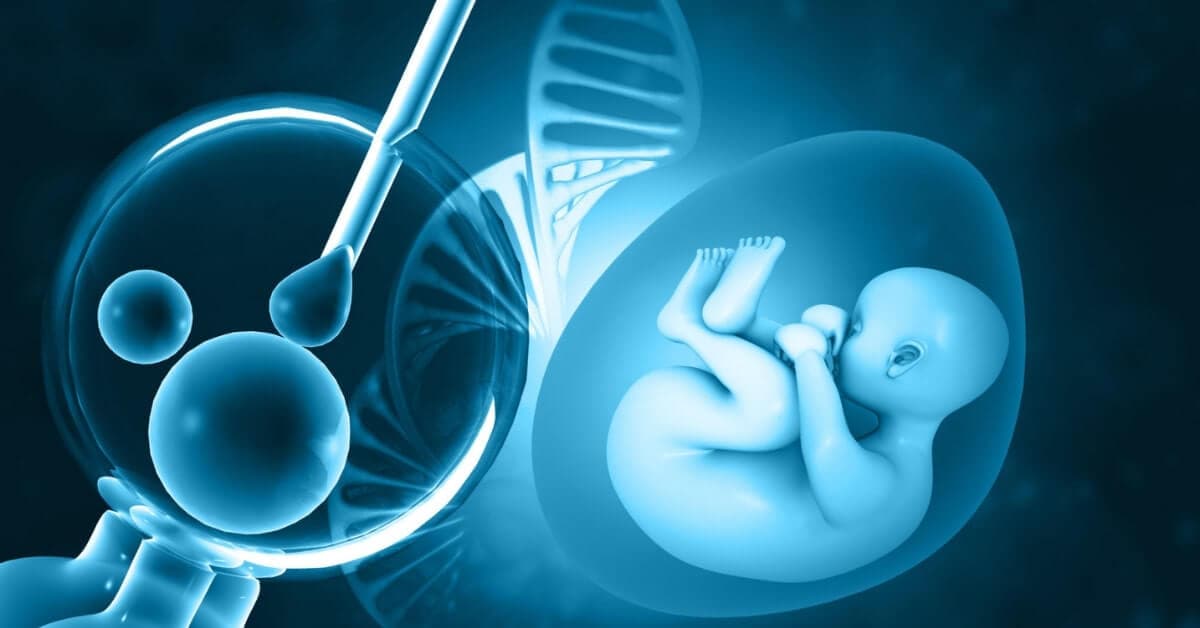
Low AMH IVF refers to IVF treatment planned for women with low Anti-Müllerian Hormone (AMH) levels or reduced ovarian reserve. Low AMH may mean fewer eggs are expected to respond to ovarian stimulation, but it does not mean IVF cannot work. AMH, along with antral follicle count (AFC), helps fertility specialists estimate ovarian response and plan a personalized IVF treatment based on age, fertility health, and previous treatment response.
Low AMH IVF Treatment Process
Ovarian Reserve and Fertility Assessment
Your specialist reviews your AMH result together with your age, menstrual history, ultrasound findings, antral follicle count, previous ovarian surgery, fertility history and any previous IVF response. A partner's semen assessment and other fertility investigations may also be relevant because AMH is only one part of the fertility picture.
Individualized Ovarian Stimulation Plan
A stimulation protocol is selected according to your expected response rather than simply increasing medication because AMH is low. Medication type, starting dose and suppression protocol can differ between patients depending on age, AFC, previous stimulation response and the wider fertility diagnosis.
Close Follicle Monitoring
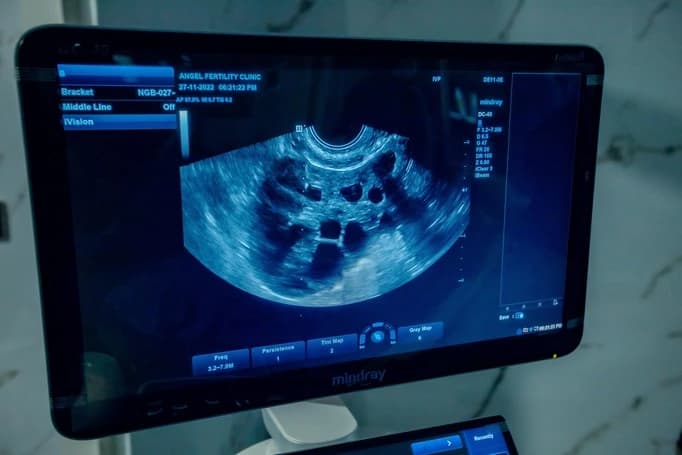
Ultrasound monitoring is used to see how many follicles are developing and how they respond to stimulation. Medication or timing may be adjusted where clinically appropriate according to the response observed during the cycle.
Egg Retrieval
When suitable follicles are ready, final oocyte maturation is triggered and egg retrieval is scheduled. With low ovarian reserve, the number of eggs collected may be lower than in patients with a higher expected ovarian response. The aim is therefore not to promise a particular egg number but to make appropriate use of the follicles that respond.
Fertilization and Embryo Development
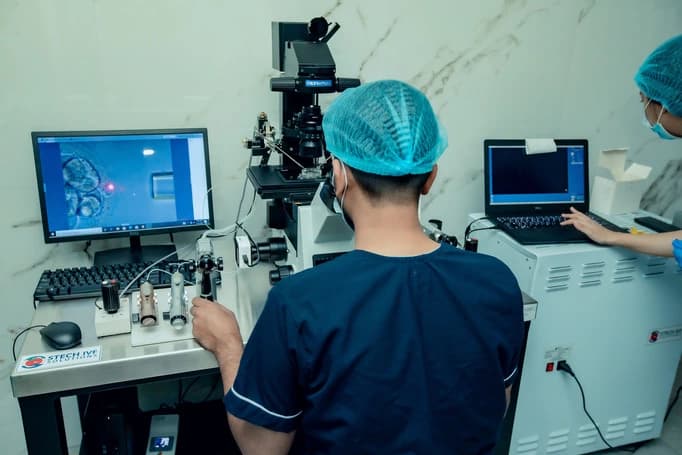
Retrieved mature eggs are fertilised in the laboratory using IVF or ICSI when clinically indicated. Embryos are then monitored as they develop so that the appropriate next step can be planned based on the embryos available and your treatment strategy.
Embryo Transfer or Further Planning
Depending on the cycle, embryo development and individual treatment plan, the next step may involve fresh or frozen embryo transfer. If very few eggs or embryos are obtained, your specialist can discuss whether another retrieval, a revised stimulation strategy or another treatment pathway is reasonable.
What Is the Best IVF Protocol for Low AMH?
GnRH Antagonist Protocol
The GnRH antagonist protocol is one of the commonly used approaches in IVF. Ovarian stimulation usually begins early in the menstrual cycle, and a GnRH antagonist is added later to help prevent premature ovulation before egg retrieval.
ESHRE recommends the GnRH antagonist protocol over GnRH agonist protocols for the general IVF/ICSI population because it provides comparable effectiveness with a better safety profile. Whether it is the most appropriate approach for someone with low AMH still depends on their individual ovarian response and treatment history.
Mild Stimulation or Mini IVF
Mild stimulation IVF, sometimes called Mini IVF, uses lower doses of fertility medication, with or without oral medications such as clomiphene citrate.
For women expected to have a low ovarian response, ASRM found that available evidence does not show substantially different clinical pregnancy rates between mild stimulation and conventional high-dose stimulation. Mild stimulation may therefore be considered for selected patients rather than assuming that increasing medication doses will always produce a better result.
Modified Natural Cycle IVF
Modified natural cycle IVF works mainly with the follicle naturally developing during the menstrual cycle, with limited medication used to control ovulation and time egg retrieval.
ESHRE does not routinely recommend modified natural-cycle IVF over conventional stimulation for low responders. However, it recognizes that it may be considered individually for women with very low ovarian reserve, particularly when conventional stimulation is unlikely to recruit significantly more follicles.
Long and Short GnRH Agonist Protocols
GnRH agonist protocols use medication to control the body's natural hormone signals before or during ovarian stimulation. In a long agonist protocol, suppression usually begins before ovarian stimulation, while a short or flare protocol begins closer to the start of stimulation.
When a GnRH agonist protocol is used, current ESHRE guidance recommends the long agonist protocol over short or ultrashort agonist protocols. However, ESHRE generally recommends a GnRH antagonist approach over agonist protocols for the overall IVF population because of its comparable effectiveness and better safety profile.
Double Stimulation (DuoStim)
Double stimulation, or DuoStim, involves two ovarian stimulation and egg-retrieval attempts within the same menstrual cycle, usually one during the follicular phase and another during the luteal phase.
Current ESHRE guidance states that double stimulation can be used when the aim is to accumulate eggs or embryosand a fresh embryo transfer is not planned. However, studies have not shown it to be universally superior to two conventional stimulation cycles, so it should be considered according to the patient's treatment goals rather than routinely used for every woman with low AMH.

Which IVF Protocol May Be Right for You?
The most appropriate IVF protocol for low AMH depends on more than the AMH result alone. Your fertility specialist may consider your age, AFC, previous IVF response, number of available follicles, medical history, and treatment goals before deciding on the stimulation protocol and medication dose.
Low AMH usually indicates that fewer eggs may respond to ovarian stimulation, but it does not determine egg quality or mean that IVF cannot work. The goal of treatment is therefore not simply to use more medication, but to plan stimulation around how your ovaries are expected to respond.
Why Higher Medication Doses Are Not Always Better
Having low AMH does not automatically mean that very high doses of fertility medication will produce more eggs. ESHRE specifically recommends against gonadotropin doses above 300 IU per day for predicted low responders.
The objective is to select an appropriate starting dose based on the expected ovarian response rather than simply increasing medication because the AMH level is low.
Understanding your quotation
Low AMH IVF Cost in Nepal
The cost of IVF for low AMH can vary depending on the stimulation protocol, medication requirements, monitoring, egg retrieval, fertilisation method, embryo culture and whether additional treatment cycles are eventually considered.
- Stimulation protocol
- Medication requirements
- Monitoring
- Egg retrieval
- Fertilisation method
- Embryo culture
- Additional treatment cycles
Low AMH does not automatically mean that every patient needs higher medication doses or expensive treatment add-ons.
Your quotation should clearly separate the standard IVF cost from medication, laboratory services and any optional procedures that are being recommended.
Why Choose Angel for Low AMH IVF?
Specialist-Led, Individualized Planning
Your IVF plan is based on your AMH, antral follicle count (AFC), age, previous treatment response and overall fertility health, rather than a standard protocol for every patient.
Evidence-Based Treatment Decisions
Stimulation protocols and medication doses are selected according to your expected ovarian response, with unnecessary treatments or add-ons avoided unless there is a clear reason for your individual case.
Coordinated Fertility & Embryology Care
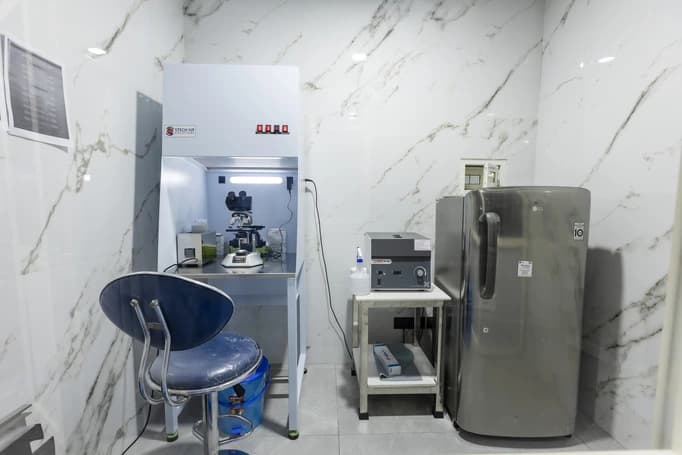
From ovarian stimulation and egg retrieval to fertilisation and embryo development, your clinical and laboratory care is closely coordinated through Angel Fertility Clinic's fertility and embryology services.
Clear and Honest Counselling
You receive clear guidance about your expected response, available treatment options, cycle costs and when your treatment plan may need to be reviewed or adjusted.
Consultation Before Travelling to Kathmandu
Patients residing abroad can share previous reports and discuss treatment options with the fertility team before travelling, helping them plan their IVF journey and stay in Nepal more effectively.







Our Treatments
Explore fertility treatments that may be considered alongside Low AMH IVF, depending on your ovarian reserve, age and treatment history.