What Is Stem Cell Therapy for Fertility?
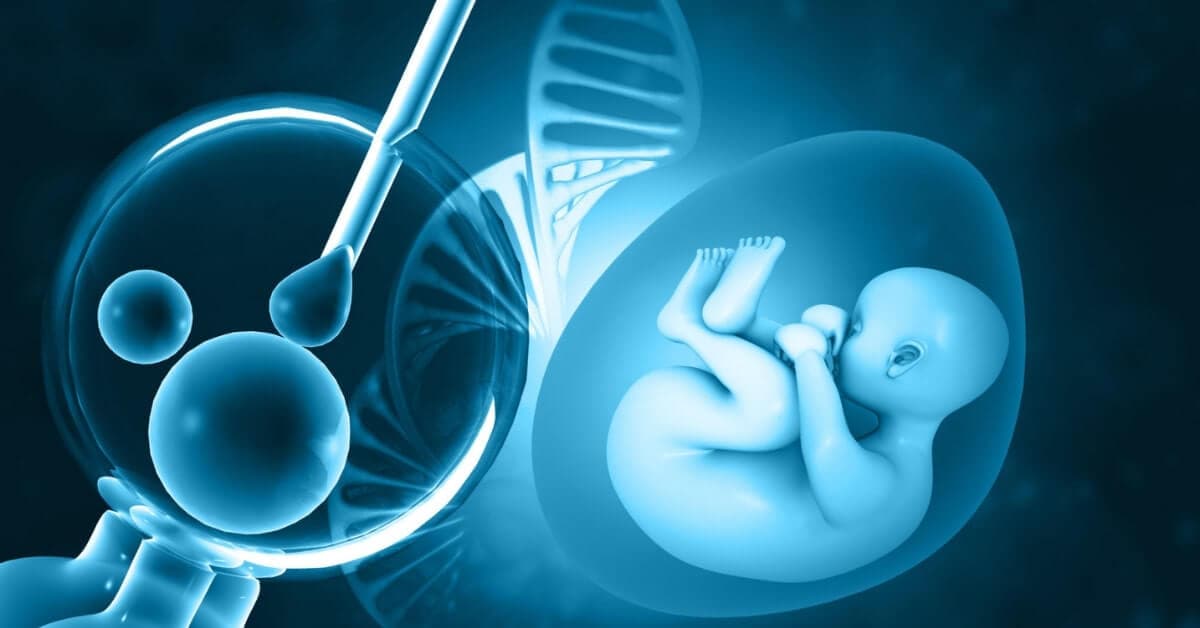
Stem cell therapy for fertility is an investigational approach that studies whether stem or stromal cells can help repair or support reproductive tissues. Research has explored possible use in conditions such as premature ovarian insufficiency, thin endometrium, Asherman syndrome and severe testicular dysfunction. However, these treatments are still experimental and are not established as standard infertility treatment.
How Would Stem Cell Therapy for Fertility Work?
Because stem-cell treatment for infertility is still investigational, there is no single standardized protocol. The process should follow a careful clinical pathway, beginning with diagnosis and established fertility options before any regenerative treatment is considered.
Complete Fertility Assessment
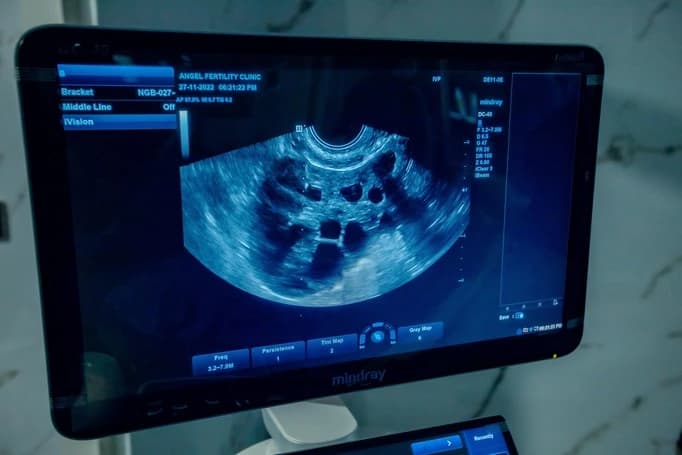
The first step is to understand the underlying fertility problem. This may include a review of medical and fertility history, AMH and other hormone tests, antral follicle count, ultrasound, uterine and endometrial assessment, semen analysis, previous IVF response and genetic testing when clinically indicated. The purpose is to identify the actual cause of infertility and determine whether an established treatment is available.
Review Established Fertility Treatment Options
Before considering stem-cell therapy, the fertility specialist should review treatments that already have established clinical evidence. Depending on the diagnosis, these may include ovulation treatment, IUI, IVF, ICSI, hysteroscopy, surgery, fertility preservation or donor reproductive options. An investigational treatment should not replace an appropriate proven treatment without a clear medical reason.
Assess Whether Stem-Cell Therapy Is Appropriate to Consider
If a stem-cell approach is being considered, the patient should receive clear information about why it is being proposed, the type and source of cells, how they are processed and administered, the available evidence, possible risks, alternative treatments, regulatory or ethical status, expected cost and follow-up requirements. Suitability depends on the fertility condition and the specific clinical or research protocol being considered.
Plan the Stem-Cell Procedure
The treatment plan depends on the type of stem or stromal cells being studied, their source, preparation method and route of administration. These methods can vary between research protocols because there is currently no standardized stem-cell procedure for infertility. The exact process, expected benefits, uncertainties and potential risks should therefore be explained before treatment begins.
Treatment and Clinical Follow-Up
After the investigational procedure, follow-up depends on the condition being treated or studied. Monitoring may include menstrual activity, AMH and FSH levels, antral follicle count, ovarian response to stimulation, endometrial thickness, number of eggs retrieved, pregnancy outcomes, live birth and any treatment-related side effects.
Review Results and Plan the Next Fertility Step
The results should be interpreted together with the patient's age, diagnosis, previous fertility treatment and overall reproductive history. Changes in a single marker, such as AMH or endometrial thickness, do not by themselves prove that fertility has been restored. The next step should be based on clinically meaningful outcomes and the fertility options that remain appropriate for the patient.

What Types of Stem Cells Are Being Studied?
Most fertility research has focused on mesenchymal stem/stromal cells (MSCs) obtained from different tissues. These cell types are being studied for possible ovarian and endometrial applications, but their use in infertility remains investigational.
Bone Marrow-Derived Stem Cells
Bone marrow-derived mesenchymal stem/stromal cells have been studied in ovarian and endometrial regenerative research. Some studies use autologous cells, meaning the cells are collected from the patient's own bone marrow.
Adipose-Derived Stem Cells
Mesenchymal stem/stromal cells can also be obtained from adipose, or fat, tissue. They are being investigated for their regenerative and signaling properties in ovarian and endometrial research, although clinical evidence remains limited.
Umbilical Cord-Derived Mesenchymal Cells
Umbilical cord tissue is another source of mesenchymal stromal cells used in reproductive research. These are donor-derived cells and have been studied experimentally for ovarian dysfunction and damaged or thin endometrium.
Menstrual Blood and Endometrial-Derived Stem Cells
Researchers are also studying mesenchymal stromal cells obtained from menstrual blood and endometrial tissue. These cells are of particular interest for research into endometrial repair, thin endometrium and intrauterine adhesions.
Important: These stem-cell sources are not interchangeable. Their biological characteristics, source, processing, dose and method of administration differ between studies. This lack of standardized protocols, together with limited clinical evidence, is one reason stem-cell therapy for infertility is not yet routine clinical treatment.
Why Consult Angel forStem Cell Therapy?
At Angel Fertility Clinic, patients considering stem-cell or regenerative fertility approaches can first access specialist fertility assessment, diagnostics and established reproductive treatments in one place.
Experienced Fertility Specialists and Embryologists
Our fertility specialists, gynecologists and full-time embryologists work together throughout the fertility journey. This allows ovarian function, uterine health, embryo development, male-factor findings and previous IVF outcomes to be reviewed as part of one coordinated treatment plan.
In-House Fertility Diagnostics and Genetic Testing
Angel provides reproductive ultrasound, hormone testing, semen analysis, tubal and uterine assessment, and access to genetic testing. Having these diagnostic services within the fertility pathway helps our team understand the underlying fertility problem before discussing established or investigational treatment options.
Established Fertility Treatments Available Under One Roof
We provide established fertility treatments including IVF, ICSI, IUI, fertility testing and fertility preservation, supported by an on-site embryology team. This allows patients to compare investigational approaches with clinically established options that may already be appropriate for their diagnosis.
Clear and Confidential Patient Care
Patients receive access to their medical reports and written cost information before treatment decisions are made. Angel also states that patient identity, diagnosis, treatment and outcomes are kept confidential, which is particularly important when discussing sensitive or emerging fertility treatments.





Our Treatments
Explore established fertility treatments that may already be appropriate for your diagnosis before considering investigational approaches.