
What Is Recurrent Miscarriage?
Recurrent miscarriage, also called recurrent pregnancy loss (RPL), means experiencing two or more pregnancy losses. These losses do not need to happen consecutively, and they may be linked to chromosomal factors, uterine conditions, antiphospholipid syndrome, thyroid or other medical conditions, although sometimes no clear cause is found. After repeated losses, a specialist evaluation can help identify possible contributing factors and guide appropriate testing, treatment and care for a future pregnancy.

What Causes Recurrent Miscarriage?
There is no single cause of recurrent miscarriage or recurrent pregnancy loss (RPL). In some patients, testing identifies a contributing factor that can be managed or treated, while in others no definite cause is found even after appropriate evaluation.
How Is Recurrent Miscarriage Treated?
There is no single recurrent miscarriage treatment that works for everyone. Treatment depends on what is found during the evaluation, and in some cases no specific medical treatment is required. The aim is to identify and manage factors that may be contributing to pregnancy loss while avoiding treatments that have not been shown to help.
Treatment for Antiphospholipid Syndrome
If antiphospholipid syndrome (APS) is confirmed, treatment during pregnancy may include low-dose aspirin and heparin. These medicines are not routinely recommended for unexplained recurrent miscarriage when APS has not been diagnosed.
Managing Thyroid, Diabetes and Other Medical Conditions
Conditions such as overt thyroid disease or poorly controlled diabetes should be appropriately treated and optimized before or during pregnancy. Treatment is based on the diagnosed condition rather than prescribed routinely because previous miscarriages have occurred.
Treatment for Uterine Abnormalities
If assessment identifies a uterine abnormality such as a septum, submucosal fibroid, polyp or intrauterine adhesions, surgical treatment may be considered when clinically appropriate. The expected benefit depends on the type and severity of the abnormality.
Progesterone in Selected Pregnancies
Progesterone is not a routine treatment for every patient with recurrent miscarriage. However, vaginal progesterone may be considered in early pregnancy when there is vaginal bleeding and a history of previous miscarriage. NICE specifically recommends vaginal micronised progesterone in this situation after an intrauterine pregnancy has been confirmed by ultrasound.
Genetic Counselling and Reproductive Options
If testing identifies a parental chromosome rearrangement, genetic counselling can help explain the risk of another miscarriage and available reproductive options. IVF with preimplantation genetic testing may be discussed in selected cases, although it has not been proven to improve live birth rates for all patients with recurrent pregnancy loss.
Care for Unexplained Recurrent Miscarriage
When no clear cause is found, treatment focuses on evidence-based preconception care, early pregnancy monitoring and emotional support rather than unproven medications or immune therapies. Many patients with unexplained recurrent pregnancy loss can still have a successful future pregnancy.

Targeted evaluation
Recurrent Miscarriage Tests and Investigations
Testing should target recognised causes. These are the blood tests most commonly used:
| Test | What it looks for |
|---|---|
| Lupus anticoagulant, anticardiolipin and anti-β2-glycoprotein I antibodies | Antiphospholipid syndrome |
| TSH, with or without thyroid peroxidase (TPO) antibodies | Thyroid dysfunction or thyroid autoimmunity |
| HbA1c or blood glucose | Diabetes |
| Parental karyotype (selected couples) | Balanced chromosome rearrangements |
| Inherited thrombophilia screen (selected women) | Clotting disorders, mainly with a personal or family history of clots |
A diagnosis of antiphospholipid syndrome needs two positive results at least 12 weeks apart. The RCOG accepts two approaches to thyroid screening: TPO antibody testing before pregnancy, or regular thyroid tests from early pregnancy. ESHRE's guidance limits inherited thrombophilia testing mainly to women with a personal or family history of blood clots.
Other investigations include:
- 3D ultrasound
- ESHRE recommends that miscarriage clinics offer 3D ultrasound to check the shape of the uterus.
- Genetic testing of pregnancy tissue
- In one study of women aged 35 or over, testing the tissue left only 18% of miscarriages unexplained, compared with 80% without it.
- Semen analysis
Why Choose Angel Fertility Clinic for Recurrent Miscarriage Care?
At Angel Fertility Clinic, recurrent miscarriage care in Nepal focuses on understanding your pregnancy history, identifying relevant contributing factors and planning care according to your individual findings.
Specialist-Led Recurrent Miscarriage Evaluation
Recurrent pregnancy loss can involve genetic, hormonal, uterine and other medical factors. Angel's fertility specialists provide reproductive medicine and gynecological care, allowing your previous pregnancies, fertility history and future pregnancy plans to be reviewed together.
Coordinated Fertility Diagnostics
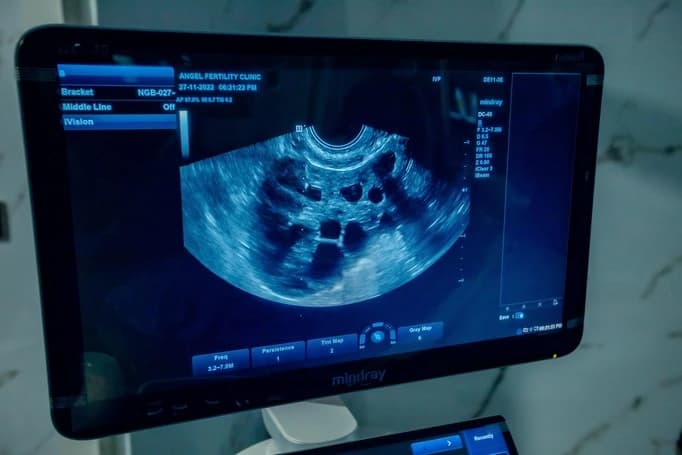
Angel provides reproductive health diagnostics including ultrasound, hormone-related blood tests and access to genetic testing. These investigations can support a structured recurrent miscarriage evaluation and help determine which factors may require further attention.
Treatment Based on Your Findings
Not every patient with recurrent miscarriage requires the same treatment. Angel's approach is to use clinical evaluation and diagnostic findings to develop an individualized treatment plan rather than treating every pregnancy loss in the same way.
Access to Uterine Assessment and Treatment
When a uterine condition may be contributing to pregnancy loss, further evaluation may be appropriate. Angel provides ultrasound assessment as well as hysteroscopy and laparoscopy services for selected gynecological and reproductive conditions.
Confidential and Transparent Care
Pregnancy loss is deeply personal. Angel's patient-rights policy states that patient identity, diagnosis, treatment and outcomes remain confidential. Patients also receive access to their reports, treatment information and a written cost estimate before treatment decisions are made.







Take the next step with a specialist evaluation to understand possible causes of recurrent pregnancy loss and discuss the care that may be appropriate for your next pregnancy.
Meet the Fertility ExpertsOur Treatments
Explore fertility care that may be considered depending on the findings of your recurrent miscarriage evaluation.